
Distinguishing Dangerous Goods: Hazard Class 2
- By Cory Levins
- 30 abr 2019

Safely shipping hazardous goods means knowing the regulations inside and out. At Air Sea Containers, we’re passionate about helping our customers become more familiar with the rules of safe hazmat shipping that make it possible to transport hazmat goods efficiently and without incident.
The GHS, or Globally Harmonized System of Hazard Communication, is a shipper’s ultimate guide to how to safely transport dangerous goods. It’s divided into nine categories, each of which has its own best practices and safety regulations. Shippers and carriers around the world use these categories to ensure that they’re moving goods safely.
In this article, we’ll have a quick introduction to Hazard Class 2, the category that covers various types of pressurized gases. If you’re shipping any kind of gas, it’s important to be familiar with these categories and regulations so that you can ship these materials safely with the correct hazmat shipping solutions from Air Sea Containers.
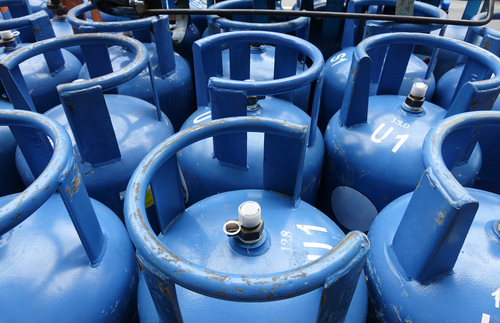
All gases that are pressurized for shipment, even those that aren’t necessarily flammable or poisonous, are classified under Hazard Class 2. Some common types of gas governed by this category include:
There are three broad sub-categories of Hazard Class 2 that specify which type of hazard a gas presents. They are as follows:
Shipments of Hazard Class 2 materials may be bound by a variety of specific regulations, but the baseline rules include:
However, there are also specific rules for transport which will apply only to the gas you’re shipping. For a complete reference of these rules, you’ll want to consult the US DOT’s complete hazardous materials table. This table will give you any additional regulations that apply to shipping your hazardous goods, including restrictions on packaging, quantity and stowage.
Packaging systems that are safe and compliant are the most critical elements of hazmat shipping. Air Sea Containers knows how challenging it can be, so we’re proud to offer an industry-leading selection of hazmat shipping materials, including:
At Air Sea Containers, we know that safe hazmat shipping is critical for commerce around the world—so we’re proud to provide the materials that allow our customers to do it safely.

Shipping Class 2 hazardous goods demands careful attention to detail and strict compliance with regulations—so it’s a smart move to reach out to the hazmat shipping experts at Air Sea Containers for advice on shipping solutions. We’ll help you determine your responsibilities when transporting these gases and how you can ensure you’re meeting all safety requirements. Just call us at (866) 596-9448 or contact us online to get started on your hazmat shipping solution.
The GHS, or Globally Harmonized System of Hazard Communication, is a shipper’s ultimate guide to how to safely transport dangerous goods. It’s divided into nine categories, each of which has its own best practices and safety regulations. Shippers and carriers around the world use these categories to ensure that they’re moving goods safely.
In this article, we’ll have a quick introduction to Hazard Class 2, the category that covers various types of pressurized gases. If you’re shipping any kind of gas, it’s important to be familiar with these categories and regulations so that you can ship these materials safely with the correct hazmat shipping solutions from Air Sea Containers.
What Falls Under Hazard Class 2?
All gases that are pressurized for shipment, even those that aren’t necessarily flammable or poisonous, are classified under Hazard Class 2. Some common types of gas governed by this category include:
- Oxygen
- Propane
- Helium
- Carbon dioxide
- Butane
- Ethylene
- Aerosol containers of any kind
There are three broad sub-categories of Hazard Class 2 that specify which type of hazard a gas presents. They are as follows:
- Division 2.1: Flammable Gases. These gases are known to ignite on contact with ignition sources. This includes acetylene, hydrogen, propane and many others.
- Division 2.2: Non-Flammable, Non-Toxic Gases. These are neither highly flammable nor toxic, but still often require proper precautions to handle. Includes pressurized cryogenic gases such as liquid oxygen and helium.
- Division 2.3: Toxic Gases. These gases are highly dangerous when humans inhale them. Fluorine gas, chlorine gas and others fall into this category.
Basic Shipping Requirements for Hazard Class 2
Shipments of Hazard Class 2 materials may be bound by a variety of specific regulations, but the baseline rules include:
- Toxic gasses in Class 2.3 generally cannot be mailed in the U.S. and must be transported by DOT-certified hazmat carriers. Some gases in classes 2.1 and 2.2 can be transported by domestic air and surface mail if they meet the standards to be considered an ORM-D Consumer Commodity.
- All Class 2 hazardous materials need proper hazard class placards identifying them as such.
- Employees who work with Class 2 hazardous materials need to have the correct training certifying them for their job function or be directly supervised by someone with the proper training/certification.
- Personnel who are directly responsible for transporting Class 2 hazmat goods (like truck and van drivers) need to have a DOT hazmat certification.
However, there are also specific rules for transport which will apply only to the gas you’re shipping. For a complete reference of these rules, you’ll want to consult the US DOT’s complete hazardous materials table. This table will give you any additional regulations that apply to shipping your hazardous goods, including restrictions on packaging, quantity and stowage.
Hazard Class 2 Shipping Solutions from Air Sea Containers
Packaging systems that are safe and compliant are the most critical elements of hazmat shipping. Air Sea Containers knows how challenging it can be, so we’re proud to offer an industry-leading selection of hazmat shipping materials, including:
- Hazard Class 2 hazmat shipping labels and hazard class placards for all classes of hazmat goods.
- Reusable gel packs to help keep temperature-sensitive gases at their safety zone temperature.
- Hazmat shipper's declaration forms that you’ll need to fill out. These serve as documentation to declare that all safety regulations have been followed.
- A full selection of printed copies of hazmat shipping codes to serve as a quick on-the-job reference.
- Void-fill materials such as reusable dunnage airbags and biodegradable air pillows that help cushion sensitive cargo against impacts.
At Air Sea Containers, we know that safe hazmat shipping is critical for commerce around the world—so we’re proud to provide the materials that allow our customers to do it safely.
Shipping Class 2 hazardous goods demands careful attention to detail and strict compliance with regulations—so it’s a smart move to reach out to the hazmat shipping experts at Air Sea Containers for advice on shipping solutions. We’ll help you determine your responsibilities when transporting these gases and how you can ensure you’re meeting all safety requirements. Just call us at (866) 596-9448 or contact us online to get started on your hazmat shipping solution.


