
Dangerous Goods Shipping: What You Need to Know
- By Cory Levins
- 22 nov 2022

When you're shipping dangerous goods, there are specific shipping regulations you need to be aware of. If you are shipping items that could potentially cause harm to people or property, it is important to understand these regulations. Below are the basics of hazardous goods shipping. We will cover what constitutes a dangerous good, how to package and label them, and the different transportation modes available.
What Are Dangerous Goods, and Why Are They Shipped Differently Than Other Types of Cargo?
Dangerous goods are items that pose a risk to health, safety, and property when transported. Examples of dangerous goods include explosives, flammable liquids, poisonous gases, and corrosive materials. When shipping these items, it is essential to ensure they are properly packaged and labeled, and that you use the correct hazmat shipping supplies. Additionally, dangerous goods must be shipped using specific methods that minimize the risk of accidents. Again, only trained personnel should handle dangerous goods during shipping and transportation.
The goal is to ensure that the cargo arrives at its destination safely and without incident. While dangerous goods may pose a risk during transport, it is important to remember that they are essential for many industries. These items are vital in everything from construction and manufacturing to healthcare and research. As a result, it is essential to ensure that they are shipped safely and securely. At Air Sea Containers, Inc., we provide various regulated shipping hazmat placards and labels.
What Are the Different Classes of Dangerous Goods, and What Do Each of Them Entail?
There are nine classes of dangerous goods, each with its unique hazards. Below is an overview of each class.
Class 1 Is Explosives
Class 1 of dangerous goods includes explosive materials and are potentially very harmful if not handled properly. Examples of Class 1 dangerous goods include fireworks, dynamite, and ammunition. These materials are all highly combustible and can cause serious injuries if not handled with care. To transport or store Class 1 dangerous goods, you must follow strict safety protocols to minimize the risk of accidents. For example, these materials must be stored in secure containers and away from ignition sources. Anyone who is handling Class 1 dangerous goods must be properly trained in how to do so safely. Air Sea Containers, Inc. offers instant services so that you can get help immediately!
Class 2 Is Gases
Class 2 of dangerous goods encompasses materials that are classified as gases. This can include both compressed and liquefied gases as well as refrigerated and cryogenic liquids. While these materials are all unique, they share the common characteristic of being in a gaseous state at standard temperature and pressure. As a result, they pose several unique risks during transportation.
For example, if a gas tank leaks, the material could quickly escape and spread throughout the surrounding area. In addition, many gases are highly flammable, meaning that a fire or explosion could easily occur if suitable precautions are not taken. For these reasons, strict regulations have been implemented to ensure that Class 2 dangerous goods are handled safely.
Class 3 Is Flammable Liquids
Class 3 of hazardous goods comprises flammable liquids. These are liquids whose flashpoints are below 60.9 degrees Celsius or 141 degrees Fahrenheit. Examples of substances in this class include gasoline, alcohol, and kerosene. Flammable liquids can easily ignite and spread fire, making them a serious hazard. In addition, they can be harmful if inhaled or ingested. How do you get hazmat endorsement stickers? Air Sea Containers, Inc. provides endorsement stickers for display on commercial trucks when transporting hazardous materials.
Great care must be taken when handling or transporting flammable liquids. Only trained and experienced personnel should be involved in hazardous goods shipping, and they should use appropriate safety equipment. Class 3 dangerous goods are a major risk to both people and property, so you must take every precaution to ensure their safe handling and transport.
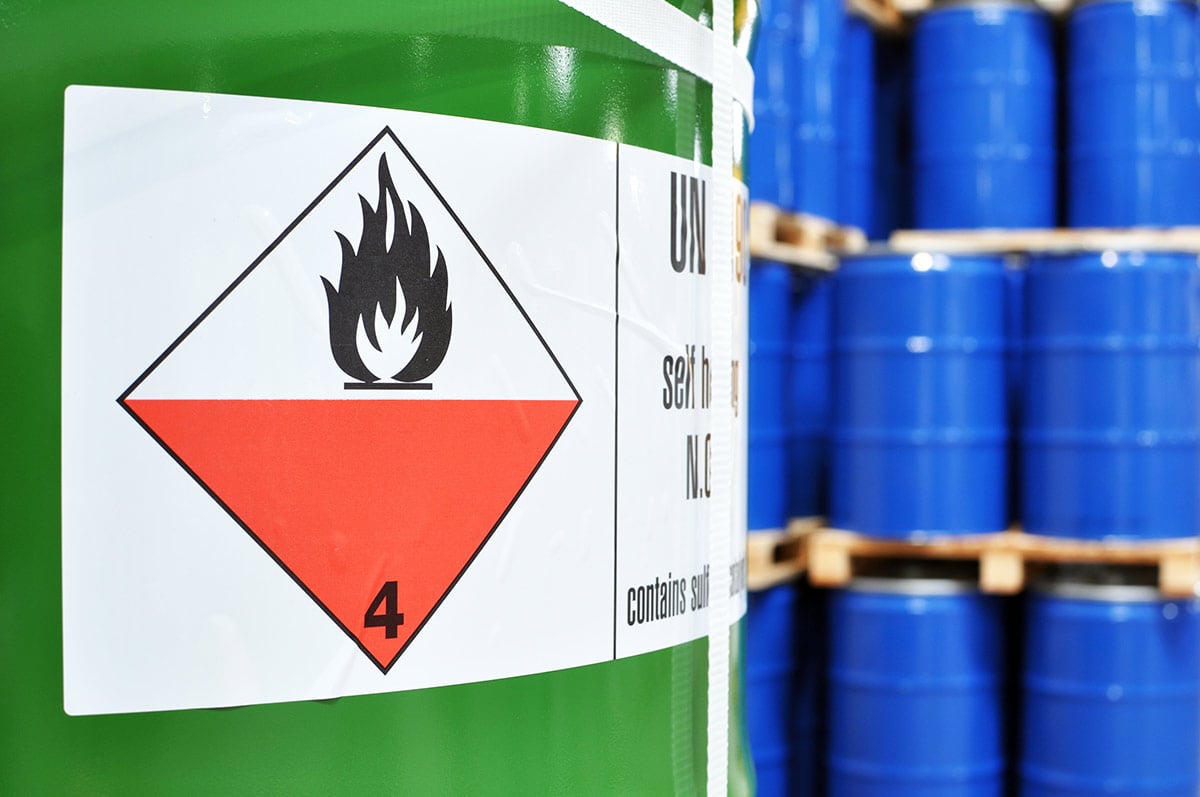
Class 4 Is Flammable Solids
Class 4 of precarious goods entails materials that are liable to catch fire spontaneously or emit dangerous flaming sparks or dangerous amounts of heat when in contact with water. A Class 4 material is also known as a "pyrophoric material." A pyrophoric material is a substance that ignites spontaneously in air at or below 55°C (130°F). Common examples of Class 4 dangerous goods are magnesium, phosphorus, and sulfur.
These materials must be packaged according to strict regulations to ensure the safety of those who may come into contact with them. When transporting Class 4 dangerous goods, it is important to take extra precautions to avoid accidents. This includes avoiding static discharge and keeping the material away from ignition sources. With the proper care and attention, Class 4 dangerous goods can be safely transported without incident.
Class 5 Is Oxidizing Agents
Class 5 of dangerous goods include oxidizing agents. These are materials that can readily supply oxygen or other oxidizing agents, for example, chlorine, which may cause or add to the combustion of other materials. They are classified according to their potential for fire or explosion hazards. Class 5 dangerous goods raise the risk of fire or explosion when in contact with other classes of dangerous goods, such as combustible liquids or solids. As a result, extra care must be taken when storing, transporting, or using these materials. Some examples of dangerous goods in Class 5 include chlorine, nitric acid, and sodium chlorate.
Class 6 Is Poisonous Substances
Class 6 of dangerous goods entails poisonous substances. These substances are known to harm human health if they are inhaled or ingested or come into contact with the skin. Some poisonous substances include arsenic, carbon monoxide, and chlorine gas. Class 6 goods are typically only shipped in small quantities and must be properly labeled and packaged to ensure safety. In addition, transportation companies must take special precautions to prevent accidents involving these substances.
Class 7 Is Radioactive Materials
Class 7 of dangerous goods entails radioactive materials. These are materials that emit ionizing radiation, which can be harmful to human health. The risks posed by radioactive materials depend on the type of material, the amount of radiation emitted, and the duration of exposure. For example, short-lived radioactive materials may pose a greater risk if inhaled or ingested while long-lived materials may pose a bigger risk if left in the environment.
Class 7 goods are typically tightly regulated, and transporting them can require special permissions and training. As a result, it is important to be familiar with the risks posed by these materials before handling them.
Class 8 Is Corrosives
Class 8 of hazardous goods entails corrosive substances. This means that they can cause severe damage to living tissue, metal, and other materials. Common examples of Class 8 corrosives include acids, bases, and oxidizing agents. These substances are highly reactive and can easily cause chemical burns. For this reason, they must be handled with extreme care and stored properly in chemical storage cabinets to prevent accidental exposure. Class 8 corrosives are found in many everyday products, such as cleaners, batteries, and fertilizers. While they are essential for many applications, it is important to remember that they can be extremely dangerous if not used properly.
Class 9 Is Miscellaneous Hazardous Materials
The Class 9 dangerous goods are those that don’t fit into any other classes and are considered “miscellaneous.” These goods are still regulated because they have the potential to cause harm if not handled with care. The most common examples of Class 9 dangerous goods include fire extinguishers, dry ice, and mercury.
Even though these items might not seem particularly dangerous, they can all pose a serious threat if they are not handled properly. For instance, mercury is a toxic metal that can cause neurological damage if inhaled or ingested. On the other hand, dry ice is very cold and can cause serious burns if it comes into contact with skin. As a result, it is important to be aware of the dangers posed by Class 9 dangerous goods and to take the necessary precautions when handling them.
How Can You Prepare to Ship Dangerous Goods?
Several precautions must be taken when shipping dangerous goods to ensure a safe delivery process for everyone involved. First and foremost, it is essential to label all packages containing dangerous goods properly. This will help ensure that the goods are properly identified and handled during transit. Most importantly, all packages containing dangerous goods must be labeled with the appropriate class number.
Additionally, it is important to pack the goods securely to prevent any accidents or incidents during shipping. This means using sturdy containers that can withstand bumps or jostling during transit. In addition, padding or other materials are often necessary to protect the goods from damage.
Finally, it is also essential to keep track of the shipment at all times to ensure that it arrives at its destination safely. It helps to have a tracking number for the shipment so that you can track its progress and be aware of any potential delays. Additionally, it is important to clearly understand the shipping route so that you can be sure that the goods will not be passing through any areas that might pose a risk. Following these simple precautions can help ensure safe and successful delivery when shipping dangerous goods.
What Should You Do If Something Goes Wrong During the Shipping Process?
It's every shipper's nightmare: You're sending a package containing dangerous goods, and something goes wrong during transit. Perhaps the container leaks or the labeling is damaged, so the contents are no longer marked. If you find yourself in this situation, you should take a few steps to minimize the risk of injury or damage.
First, remove the package from the shipping container, and place it in a safe location if possible. If the leak is small, you may be able to repair it with tape or another temporary sealant. If the damage is more extensive or you cannot safely remove the package, your best option is to call for assistance from a trained hazardous materials specialist.
These professionals are equipped to handle dangerous goods and will be able to take the necessary precautions to minimize the risks involved. In any case, it is important to act quickly and carefully if something goes wrong during the shipping process involving dangerous goods.
Are There Any Restrictions on Where Dangerous Goods Can Be Shipped to or From?
Dangerous goods are items or substances that are classified as dangerous due to their chemical or physical properties. These items are regulated by national and international laws and strict transport, storage, and disposal rules. Some examples of dangerous goods include explosives, flammable liquids, corrosive chemicals, and radioactive materials.
There are several restrictions on where dangerous goods can be shipped to or from. Usually, these restrictions are based on the type of dangerous good involved. For example, explosive materials may only be shipped via ground transportation while flammable liquids must be shipped via rail or sea.
There are also restrictions on the number of dangerous goods that can be shipped at one time and the packaging and labeling requirements for these shipments. These restrictions help ensure that dangerous goods are transported safely and comply with all applicable laws.

How Can You Find a Reputable Freight Forwarder?
If you are looking for a reputable freight forwarder to help in dangerous goods shipping, you should keep a few things in mind. First, look for a company with experience shipping dangerous goods. This will ensure they are familiar with the safety regulations and procedures required to transport these items. Second, ask for references from other businesses that have used the company's services.
This will give you an idea of their level of customer service and satisfaction. Finally, get a quote in writing before agreeing to use the company's services. This will help avoid any unexpected costs or fees down the road. By following these simple tips, you can be confident that you will find a reputable freight forwarder who can safely and efficiently handle your dangerous goods shipment.
Conclusion
Dangerous goods shipping can be daunting, but it's important to understand the regulations and procedures to ensure a safe and compliant shipment. The first step is identifying the hazard class of the dangerous goods being shipped. There are nine classes of danger, each with its own set of shipping requirements. Once you've identified the hazard class, you'll need to determine the shipment's proper packaging, labeling, and documentation. Finally, it's important to familiarize yourself with the emergency response procedures in case of an incident. Following these steps can help ensure a safe and successful dangerous goods shipment.


