
How to Dispose of Flammable Waste Safely
- By Cory Levins
- 1 jun 2022

Source: Fahroni / Shutterstock.com
Summary:
- Flammable waste is a serious workplace health hazard.
- Ensure all hazardous materials are stored in safe and certified containers.
- Label all hazardous goods clearly and correctly.
- Schedule regular waste collections.
Mismanaged waste can pose serious health consequences, particularly in facilities or workplaces that contain sensitive chemicals or reactive materials. According to the U.S. Environmental Protection Agency (EPA), waste is considered hazardous if it contains just one of four properties: ignitability, reactivity, corrosivity or toxicity.
Flammable waste includes a variety of materials, including liquids with flashpoints of 60°C and below, compressed gases and oxidizers and materials that ignite in certain conditions.
Fire can be catastrophic in a work environment, injuring people and damaging inventory and property. Any business that handles or stores hazardous materials must know how to dispose of flammable waste safely and correctly.
Disposing of Flammable Waste
Flammable waste comes in various forms, including oils, solvents, acids and liquid chemicals. While handling and storing these materials correctly is crucial for a safe working environment, it’s also essential to dispose of waste properly.
Regardless of the type of flammable materials your facility handles, there are effective ways to eliminate the waste with minimal risk.
Improve Workplace Safety with a Flammable Cabinet from Air Sea Containers
Use the right containers
Storing flammable materials or waste in the wrong types of containers can lead to spills, leaks or contamination, increasing the fire risk in your facility. Ensure the materials you store are kept in suitable containers. For example, steel shipping containers are safe and reliable storage options for flammable materials, including gases, chemicals and liquids.
For flammable waste, use UN-certified steel drums to minimize risk. The carbon steel frame provides durability and stability, keeping materials contained even in rough conditions. Consult the label of the drum to confirm it meets safety regulations for the material you’re storing.
Certain container materials are more effective for storing particular types of materials. If chemical purity isn't important, galvanized steel is a good option for liquids. For acids and corrosive materials, consider polyethylene. Opt for stainless steel if chemical purity is a priority.
Make sure that flammable waste containers are properly sealed. Flammable materials often release combustible vapor into the air.
Source: Photo smile / Shutterstock.com
Label materials correctly and clearly
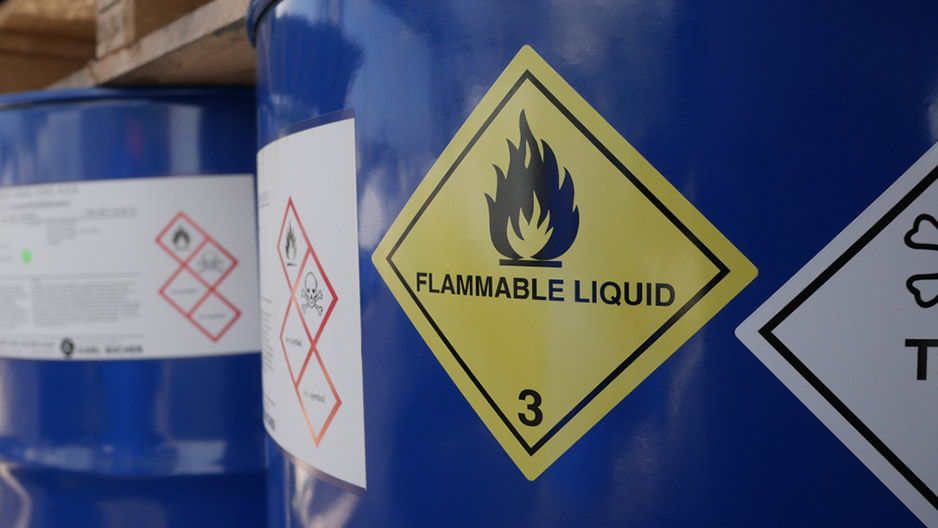
Hazardous materials must be labeled correctly and clearly to avoid mishandling. The most important information required includes:
- Class 3 Hazard flammable logo (with the number 3 and a fire symbol)
- The type of material inside the container
- Accumulation start date
- Safe handling instructions
- Any state-specific information requirements
Ensure that you use the correct Class 3 label. A critical difference between flammable vs. combustible materials is that flammable substances can ignite at lower temperatures. This is a crucial safety distinction that must be outlined.
Flammable waste containers should be labeled as soon as they are filled. This helps prevent workers from misplacing containers.
Reduce the Risk of Waste Mismanagement with a Class 3 Flammable Sign
Store materials safely
If you keep flammable waste in storage, ensure it is held in a safe area, far from any potential ignition sources. Flammable cabinets provide a temporary storage solution for holding waste materials. They are built with leakproof sills, air vents and other safety features, minimizing the risk of an accident.
These units are available in various shapes and sizes, depending on the items you need to store. At Air Sea Containers, we stock flammable container cabinets, including countertops, corner units, under-counter storage and freestanding units.
When storing waste materials, avoid potential ignition sources, such as:
- Open flames
- Hot surfaces
- Tools that create sparks
- Sources of static electricity
- Heavy machinery
Consider erecting a flammable sign to draw attention to the dangerous materials. These can also be placed on vehicles used to transport flammable goods.
Schedule regular waste management collections
Scheduling regular collections from professional waste management services ensure flammable waste is kept on your property for the shortest time possible. Avoid accumulating large quantities of waste to minimize the risk of accidents and spills.
Source: Comaniciu Dan / Shutterstock.com
Spill containment
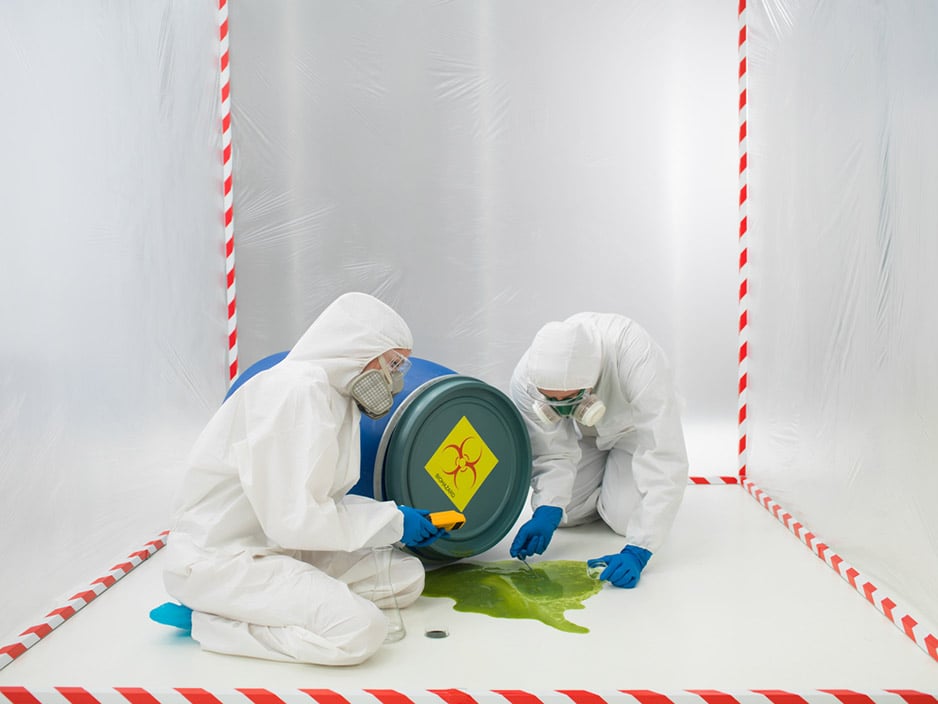
Despite following the necessary protocols, accidents involving flammable waste can still happen. Since the consequences of spilling hazardous waste are so severe, it’s essential to have a spill containment system in place.
At Air Sea Containers, we stock a wide variety of spill containment solutions. We also supply a range of hazmat disposal products, ensuring you have the right equipment at hand to clean up after a leak or spill.
Prioritize Waste Management Safety with Air Sea Containers
Maintaining a safe workplace should be a priority for all businesses, regardless of industry. However, safety protocols are even more critical when dealing with hazardous materials. Ensure you have the right equipment to safely handle, store and dispose of flammable waste.
From storage equipment to labels, Air Sea Containers can help you reduce the risk of waste mismanagement. Browse our website for our complete inventory, or contact us today for more information on our products.


