
OSHA Pesticide Storage Regulations: 5 Important Facts
- By Cory Levins
- 3 jun 2022

Source: BearFotos / Shutterstock.com
Summary:
- Pesticides are hazardous chemicals that must be packaged and stored safely.
- OSHA outlines specific guidelines for handling hazardous materials.
- Pesticides should be packaged, labeled and separated according to their chemical properties.
- Avoid pesticide contamination with sufficient storage equipment from Air Sea Containers.
Pesticides are essential in modern agriculture, helping farmers and food producers turn out consistent and safe yields each year. Food and crop production has grown significantly over the past 50 to 60 years, primarily due to the influence of pesticides. There is a wide variety of pesticides, each designed for effectiveness against a particular disease or pest.
Despite their widespread use in agriculture, pesticides can be hazardous if mishandled. They can cause adverse health effects and chronic illness in humans and animals and are a pollutant to the environment.
Safely storing pesticides is critical to ensure the safety of people, animals and the environment. If your business handles pesticides, ensure it is compliant with OSHA pesticide storage regulations.
OSHA Chemical Hazard Regulations
OSHA recognizes pesticides as hazardous or toxic chemicals. Under its chemical hazard regulations, OSHA outlines a series of guidelines for the safe storage of pesticides. Here are five important considerations for maintaining a safe storage system:
Use original packaging where possible
Workers should not be exposed to any harmful substances when handling product containers. One of the best ways to avoid contact with these materials is to keep pesticides in their original packaging. This prevents accidental leaks and cross-contamination and makes handling safer.
Separate Harmful Chemicals with a Durable Pesticide Storage Cabinet
Repackage using certified containers
Retailers may have to repackage pesticides to sell or distribute in a range of quantities. All pesticide refillers must comply with the same packaging regulations as manufacturers and producers. This means ensuring packaging is safe, securely sealed and free of contamination.
If a retailer intends to repackage a container, it must have a pesticide dispensing area that’s EPA compliant. Individual states are responsible for implementing containment regulations. All repackaged containers must meet specific structural standards, including:
- DOT design, construction and marking standards
- Serial number markings
- Tamper evident devices (if they are non-refillable containers)
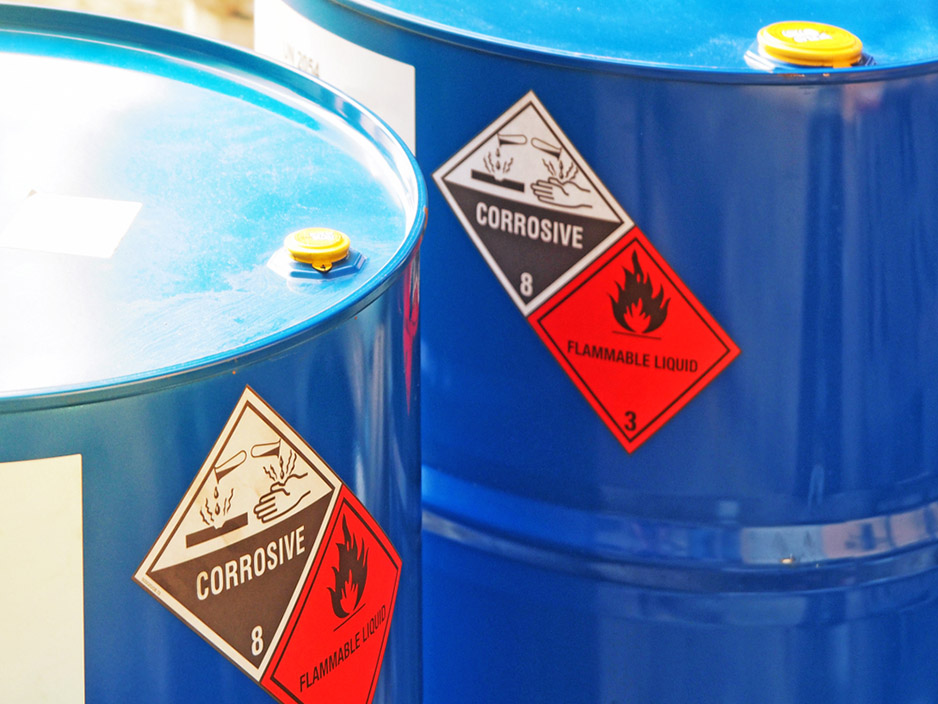
Storage facilities should also erect secondary containment equipment to prevent spills and contamination. A pesticide storage cabinet has durable walls, air vents and a corrosion-resistant finish, making it an ideal place to keep repackaged pesticides.
Source: nhumster / Shutterstock.com
Ensure correct labeling
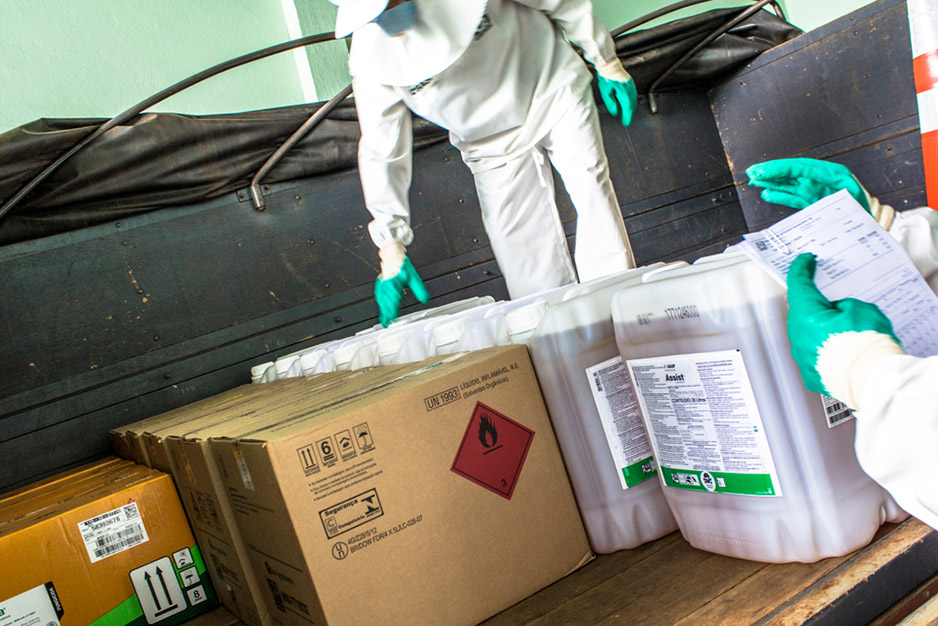
All pesticides must be carefully labeled to display relevant information regarding their safe handling. Labels help inform employees about the potential hazards of pesticides and how they can protect themselves. Pesticide product labels must clearly display the following information:
- Product brand name or trademark
- Name and address of the producer
- Product contents
- Product registration number
- Producer establishment number
- Official ingredient statement
- Hazard and precautionary statements
- Handling directions
- Product classification
Separate pesticides from other substances
OSHA warns against storing pesticides near groundwater sources. Chemical runoff can infiltrate the water source, causing potential contamination. Refer to the labeling for information on storing certain pesticides near water.
The U.S. Environmental Protection Agency (EPA) advises against stockpiling pesticides to minimize the risk of contaminating your storage space. It is also important to designate specific sections of your storage facility for particular types of pesticides. For example, insecticides, fumigants and fungicides should all be stored separately.
Signage and hazmat placards help workers quickly identify chemicals and potential hazards. They may also help avoid placing pesticides in the wrong sections of the storage facility.
Shop for Hazmat Placards at Air Sea Containers
Implement safe disposal practices
Pesticide is challenging to dispose of safely. Just mix up enough pesticide for each job. Never pour it into a drain, sewer or sink if you have excess pesticide. Many local water waste management systems cannot remove all pesticides, which may cause contamination to the water supply. A dedicated pesticide cabinet ensures you have safe storage space for your chemicals.
Consult your local waste management service or environmental agency if you must dispose of excess pesticides. They may have a waste management collection service that can remove hazardous materials safely.
It may also be a good idea to notify local emergency services about where you keep pesticides. If an accident occurs, they can quickly identify the source of the danger and react accordingly.
Source: Alf Ribeiro / Shutterstock.com
Handle Pesticides Safely with Air Sea Containers
The storage and handling of pesticides can be extremely hazardous, particularly for retailers who repackage products. Avoid contamination or potentially dangerous reactions by storing your pesticides in high-quality, DOT-certified, tested containers.
At Air Sea Containers, we provide a range of pesticide storage equipment, from adjustable shelf cabinets to safety labels. Our packaging products help improve the safety of your storage facility and maintain compliance with OSHA, the EPA and local regulatory bodies.


