
I Bet You Didn't Know About These Uses for Coarse Vermiculite
- By Cory Levins
- 5 dic 2017
Vermiculite is a naturally occurring mineral that expands when heated at high temperatures to produce a light, porous material. While you may have heard of vermiculite, you perhaps were unaware of the many uses to which it is applied. Here are five uses for coarse vermiculite that you may not have known about.
Outdoor wood-fired pizza ovens are all the rage at the moment, with many home-owners choosing to build their own. Pizza ovens bake the pizza on a base of high thermal mass, heated by the glowing embers of their wood fuel. The temperature inside can reach upwards of 750ºF, so the oven needs to be constructed of highly heat-resistant materials.
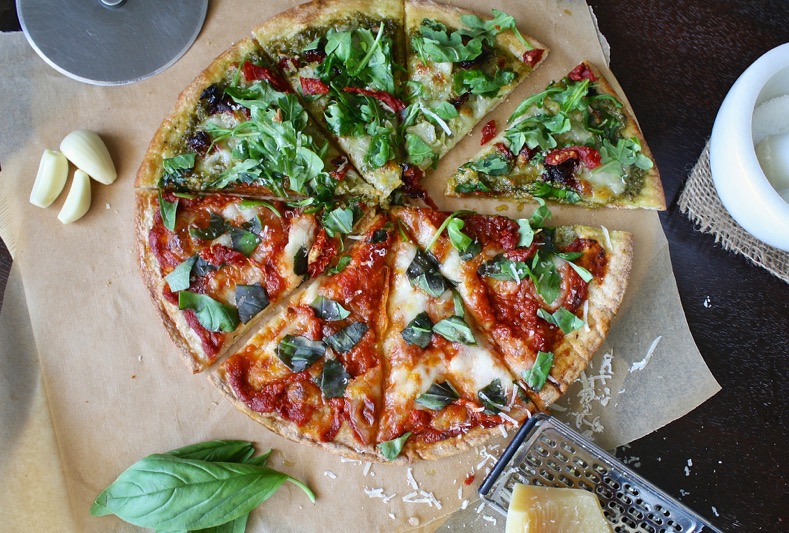
Coarse vermiculite, being non-combustible and heat tolerant, offers an excellent alternative to expensive refractory bricks in the base of the oven. It can also be used as a 5-10cm insulating layer in the dome of the oven, mixed with clay or concrete in a 6:1 ratio.
Vermiculite is light and porous and is, therefore, an excellent heat insulator. Many builders of wood-fired pizza ovens choose an A3-grade of coarse vermiculite as their insulating material of choice. By allowing the oven to heat up quickly and retain that heat, pizza bakers can ensure maximum efficiency from their fuel.
Coarse vermiculite is not only useful for insulating pizza ovens. When it comes to insulating materials, lighter weight is better, and the significant expansion of vermiculite when heated makes it a very light material indeed. It has been used to great effect as a loose-fill insulator in masonry construction to fill cavities, being both effective and easy to use.
In addition to providing thermal insulation, coarse vermiculite improves the acoustic performance of the building. It is treated with a water-repellent, and its non-combustibility even enhances the fire rating of buildings that it is used in.
Coarse bulk vermiculite is also used as a loose-fill insulation in the attics of buildings, as well as in smaller quantities in devices – such as water heaters and refrigerators.
Vermiculite can do wonders in the garden, both indoors and out. Its porous, absorbent nature makes it the perfect material for retaining the water and nutrients, which plants need for their growth. It also aerates the soil, preventing compaction, which can affect root development.
Coarse vermiculite is odorless, sterile and non-toxic, meaning that it can be safely used to grow herbs or vegetables for human consumption. It is a durable material that does not mold or rot, and therefore can be used without worry in indoor potting soils. An additional advantage of using coarse vermiculite is that it allows for easier absorption of ammonium and the elements calcium, potassium, and magnesium.
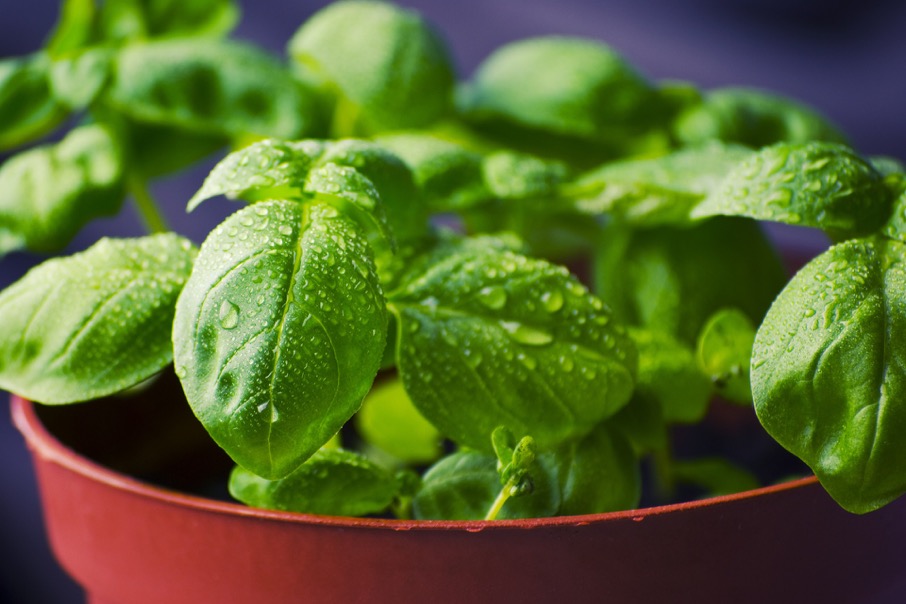
A3-grade vermiculite is an excellent choice for adding to container mixes, peat mixes, and potting soils for increased water retention. Alternatively, go for A4-grade extra coarse vermiculite if you want even better aeration and drainage in your soils.
There is seemingly no end to the uses of vermiculite in construction. Medium-grade vermiculites can be mixed with aggregates to produce a screed that can be applied to floors and roofs. When mixed with concrete, it produces a lightweight screed with a weight that is one-fifth that of concrete alone. This makes it the ideal material for roofs and suspended floors, reducing the load upon the building.
It also has the advantage of being tolerant to extremes of temperature and can stabilize temperatures in the building. Its insulating properties allow it to keep buildings cool during the summer heat and to maximize energy conservation by holding in heat during the winter.
Vermiculite screeds are prized for their thermal insulation, non-combustibility, and the ease with which they can be mixed together and applied. When used as a roof screed, vermiculite is mixed with cement at a ratio of 8:1, and when used as a floor screed at a ratio of 6:1, it is then usually protected with a sand and cement coating.
“Hazmat” is the term given to materials that can be hazardous to the environment, property, or living organisms. There are strict regulations on the shipping of such materials, with the UN publishing recommendations for their transportation. Special hazmat packaging is available for such shipping, and coarse vermiculite is a critical element in such packaging systems.
Vermiculite's light weight makes it ideally suited to packaging, cutting down on shipping expenses, and fuel. Its high absorbency then gives it additional advantages as hazmat packaging, as the vermiculite can absorb potential chemical spills or other liquid leakage. It is, additionally, a compressible material, so can even offer cushioning from shocks.
Finally, the fact that it is non-combustible and inert means it will not react with the shipping contents and is not in itself hazardous to the environment.
So, how many of those uses for coarse vermiculite were you aware of? It seems the absorbent, heat-resistant, insulating properties of this material are valued in many industries and for many different applications.
Pizza Ovens
Outdoor wood-fired pizza ovens are all the rage at the moment, with many home-owners choosing to build their own. Pizza ovens bake the pizza on a base of high thermal mass, heated by the glowing embers of their wood fuel. The temperature inside can reach upwards of 750ºF, so the oven needs to be constructed of highly heat-resistant materials.
Coarse vermiculite, being non-combustible and heat tolerant, offers an excellent alternative to expensive refractory bricks in the base of the oven. It can also be used as a 5-10cm insulating layer in the dome of the oven, mixed with clay or concrete in a 6:1 ratio.
Vermiculite is light and porous and is, therefore, an excellent heat insulator. Many builders of wood-fired pizza ovens choose an A3-grade of coarse vermiculite as their insulating material of choice. By allowing the oven to heat up quickly and retain that heat, pizza bakers can ensure maximum efficiency from their fuel.
Insulation
Coarse vermiculite is not only useful for insulating pizza ovens. When it comes to insulating materials, lighter weight is better, and the significant expansion of vermiculite when heated makes it a very light material indeed. It has been used to great effect as a loose-fill insulator in masonry construction to fill cavities, being both effective and easy to use.
In addition to providing thermal insulation, coarse vermiculite improves the acoustic performance of the building. It is treated with a water-repellent, and its non-combustibility even enhances the fire rating of buildings that it is used in.
Coarse bulk vermiculite is also used as a loose-fill insulation in the attics of buildings, as well as in smaller quantities in devices – such as water heaters and refrigerators.
Gardening
Vermiculite can do wonders in the garden, both indoors and out. Its porous, absorbent nature makes it the perfect material for retaining the water and nutrients, which plants need for their growth. It also aerates the soil, preventing compaction, which can affect root development.
Coarse vermiculite is odorless, sterile and non-toxic, meaning that it can be safely used to grow herbs or vegetables for human consumption. It is a durable material that does not mold or rot, and therefore can be used without worry in indoor potting soils. An additional advantage of using coarse vermiculite is that it allows for easier absorption of ammonium and the elements calcium, potassium, and magnesium.
A3-grade vermiculite is an excellent choice for adding to container mixes, peat mixes, and potting soils for increased water retention. Alternatively, go for A4-grade extra coarse vermiculite if you want even better aeration and drainage in your soils.
Floor/Roof Screens
There is seemingly no end to the uses of vermiculite in construction. Medium-grade vermiculites can be mixed with aggregates to produce a screed that can be applied to floors and roofs. When mixed with concrete, it produces a lightweight screed with a weight that is one-fifth that of concrete alone. This makes it the ideal material for roofs and suspended floors, reducing the load upon the building.
It also has the advantage of being tolerant to extremes of temperature and can stabilize temperatures in the building. Its insulating properties allow it to keep buildings cool during the summer heat and to maximize energy conservation by holding in heat during the winter.
Vermiculite screeds are prized for their thermal insulation, non-combustibility, and the ease with which they can be mixed together and applied. When used as a roof screed, vermiculite is mixed with cement at a ratio of 8:1, and when used as a floor screed at a ratio of 6:1, it is then usually protected with a sand and cement coating.
Packing Hazardous Materials
“Hazmat” is the term given to materials that can be hazardous to the environment, property, or living organisms. There are strict regulations on the shipping of such materials, with the UN publishing recommendations for their transportation. Special hazmat packaging is available for such shipping, and coarse vermiculite is a critical element in such packaging systems.
Vermiculite's light weight makes it ideally suited to packaging, cutting down on shipping expenses, and fuel. Its high absorbency then gives it additional advantages as hazmat packaging, as the vermiculite can absorb potential chemical spills or other liquid leakage. It is, additionally, a compressible material, so can even offer cushioning from shocks.
Finally, the fact that it is non-combustible and inert means it will not react with the shipping contents and is not in itself hazardous to the environment.
A Material with Diverse Applications
So, how many of those uses for coarse vermiculite were you aware of? It seems the absorbent, heat-resistant, insulating properties of this material are valued in many industries and for many different applications.


