
Seven Unknown Benefits of Composting with Your Recycled Plastic Drums
- By Cory Levins
- 10 dic 2017
Making compost is a bit like helping turning a bad situation around into something good. You start out with something you think may be no good, or of any further use, and end up with a rich fertilizer that can benefit you and the wider environment, in many ways.
That goes for the composting of food waste, plant matter and other materials, and the recycling or repurposing of your plastic drums into hardy compost bins. Here are seven known and not so well-known ways that re-using your plastic drums for compost can be of benefit.

The plastic drums — high-density polyethylene (HDPE) — are made of tough materials. HDPEs strength and durability can withstand a range of different weather conditions and temperatures, and especially damp and moist conditions.
Water and sewerage pipes and systems are made from HDPE. Re-using your plastic drums as a composting system will give it a new lease of life, and it will last for many years to come.
Everybody wants to be working lean, green and with a focus on sustainable systems. The original manufacture of HDPE involves extracting and using raw petroleum. Repurposing plastic drums as compost bins, or giving used poly drums to recycling schemes for the manufacture of new products, helps reduce the impact on the environment in terms of pollution, and conserves the use of fossil fuels.
The United States Environmental Protection Agency (EPA) indicates that food scraps and yard waste are between 20-30 percent of garbage sent to landfills. Composting this type of waste creates a product that is useful for your yard, or your local community.
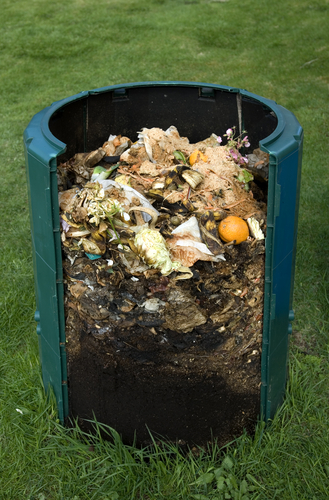
Types of organic waste materials to compost include grass clippings, dead leaves, branch offcuts, grass clippings, leftover food, coffee grounds, tea bags, fruit and vegetable offcuts, and waste — banana skins and eggshells contain especially good nutrients for the soil. Less thought-of waste to compost includes paper, cardboard, napkins, sawdust, newspaper, fireplace ashes, and cotton and wool rags. It is truly a rag to riches soil story.
Food waste and plant matter disposed of with other garbage that ultimately ends up in landfills does not decompose very efficiently when mixed with other materials and substances. The methane gas emitted during this decay is one of the greenhouse gases contributing to global warming. Many landfills are filling up, and towns and cities are finding it hard to find new locations to cope with the increasing loads of garbage.
Whether an external agency picks up, or you collect your garbage to make your own trips to the dump, you will cut down on the costs of refuse collection, transportation, and disposal.
What goes into our soils ultimately spreads into the storm and wastewater systems, lakes, and rivers. Natural compost derives from purely organic material. Therefore, artificial substances or chemicals that may be included with other types of bought fertilizers do not seep into the surrounding environment.
Compost is also a very effective material for controlling erosion and keeping weeds at bay, and is also used to construct retaining walls or build up uneven patches of yard. Contaminated soils also benefit from the addition of compost.
Whether you are a keen cultivator of your own fresh fruit and veggies for your kitchen, creating a beautiful rose garden or your own luscious backyard garden sanctuary, compost is sure to make it better.
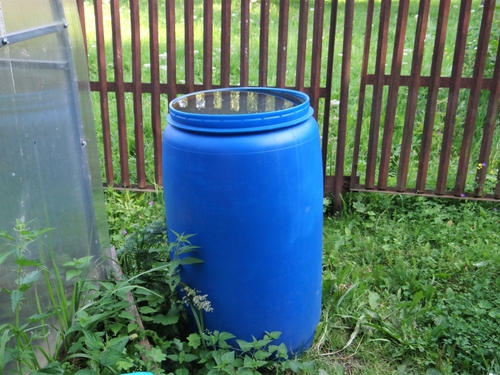
A recycled plastic drum converted into a compost bin will tuck away conveniently into a corner of your yard or business for collecting garden and food waste.
The addition of compost to your garden soil or potted plants will improve the soil structure, increase the nutrient content, protect your plants’ roots, and you will use less water. Your plants will thrive, be healthier and better-protected against disease and pests.
The cost savings of composting using your recycled plastic drums start, of course, with reusing the drum. After cleaning any potential contaminants, a few strategic holes drilled here in your large plastic drum will save the cost of buying a specially built one and do the job just as well.
Your home or business trash collection or disposal charges will reduce once you are diverting compostable materials into your plastic drum. As you physically see your compost heap grow with food scraps, you may also reduce your wastage by only buying necessary items. The nutrient-rich matter you produce from your composting efforts will save you money in buying both readymade products and artificial fertilizers.
The benefits of composting with recycled plastic drums range from the financial to the feel-good, to potentially contributing to a more environmentally sustainable world. By using an existing plastic drum, you will contribute to less pollution to manufacture another one.
Whether you compost household or business waste, you will help reduce waste going to already overburdened landfills. The compost created will contribute to a healthy environment, and most likely save you money in the long term.
That goes for the composting of food waste, plant matter and other materials, and the recycling or repurposing of your plastic drums into hardy compost bins. Here are seven known and not so well-known ways that re-using your plastic drums for compost can be of benefit.
1. Plastic drums are made from sturdy stuff
The plastic drums — high-density polyethylene (HDPE) — are made of tough materials. HDPEs strength and durability can withstand a range of different weather conditions and temperatures, and especially damp and moist conditions.
Water and sewerage pipes and systems are made from HDPE. Re-using your plastic drums as a composting system will give it a new lease of life, and it will last for many years to come.
2. Contribution to global sustainability
Everybody wants to be working lean, green and with a focus on sustainable systems. The original manufacture of HDPE involves extracting and using raw petroleum. Repurposing plastic drums as compost bins, or giving used poly drums to recycling schemes for the manufacture of new products, helps reduce the impact on the environment in terms of pollution, and conserves the use of fossil fuels.
3. Minimize waste
The United States Environmental Protection Agency (EPA) indicates that food scraps and yard waste are between 20-30 percent of garbage sent to landfills. Composting this type of waste creates a product that is useful for your yard, or your local community.
Types of organic waste materials to compost include grass clippings, dead leaves, branch offcuts, grass clippings, leftover food, coffee grounds, tea bags, fruit and vegetable offcuts, and waste — banana skins and eggshells contain especially good nutrients for the soil. Less thought-of waste to compost includes paper, cardboard, napkins, sawdust, newspaper, fireplace ashes, and cotton and wool rags. It is truly a rag to riches soil story.
4. Less harmful local landfills
Food waste and plant matter disposed of with other garbage that ultimately ends up in landfills does not decompose very efficiently when mixed with other materials and substances. The methane gas emitted during this decay is one of the greenhouse gases contributing to global warming. Many landfills are filling up, and towns and cities are finding it hard to find new locations to cope with the increasing loads of garbage.
Whether an external agency picks up, or you collect your garbage to make your own trips to the dump, you will cut down on the costs of refuse collection, transportation, and disposal.
5. Cleaner yards, rivers and lakes
What goes into our soils ultimately spreads into the storm and wastewater systems, lakes, and rivers. Natural compost derives from purely organic material. Therefore, artificial substances or chemicals that may be included with other types of bought fertilizers do not seep into the surrounding environment.
Compost is also a very effective material for controlling erosion and keeping weeds at bay, and is also used to construct retaining walls or build up uneven patches of yard. Contaminated soils also benefit from the addition of compost.
6. Better gardens
Whether you are a keen cultivator of your own fresh fruit and veggies for your kitchen, creating a beautiful rose garden or your own luscious backyard garden sanctuary, compost is sure to make it better.
A recycled plastic drum converted into a compost bin will tuck away conveniently into a corner of your yard or business for collecting garden and food waste.
The addition of compost to your garden soil or potted plants will improve the soil structure, increase the nutrient content, protect your plants’ roots, and you will use less water. Your plants will thrive, be healthier and better-protected against disease and pests.
7. Save money
The cost savings of composting using your recycled plastic drums start, of course, with reusing the drum. After cleaning any potential contaminants, a few strategic holes drilled here in your large plastic drum will save the cost of buying a specially built one and do the job just as well.
Your home or business trash collection or disposal charges will reduce once you are diverting compostable materials into your plastic drum. As you physically see your compost heap grow with food scraps, you may also reduce your wastage by only buying necessary items. The nutrient-rich matter you produce from your composting efforts will save you money in buying both readymade products and artificial fertilizers.
Summary
The benefits of composting with recycled plastic drums range from the financial to the feel-good, to potentially contributing to a more environmentally sustainable world. By using an existing plastic drum, you will contribute to less pollution to manufacture another one.
Whether you compost household or business waste, you will help reduce waste going to already overburdened landfills. The compost created will contribute to a healthy environment, and most likely save you money in the long term.


