Breaking Down CFR 49
- By Cory Levins
- 15 sept 2017

If you move goods in the U.S., you must be prepared to abide by the Code of Federal Regulations (CFR) Title 49. The Title 49 rules encompass regulations for domestic transportation.
This is especially important if you are planning to transport hazardous materials. You need to be well informed with updated and accurate information about the process, the categories and the potential penalties for noncompliance.
Congress legislates the responsibilities deemed necessary for inspection and regulation by federal regulatory bodies. The CFR spells out the details of those legal requirements.
As these regulations change with regularity, new materials, modes of transportation, and shipping emerge. For this reason, it is important to stay as up-to-date as possible.
Here is a summary of the main requirements to remind you of some of the dynamics and point to materials that can help you stay abreast of the latest changes.
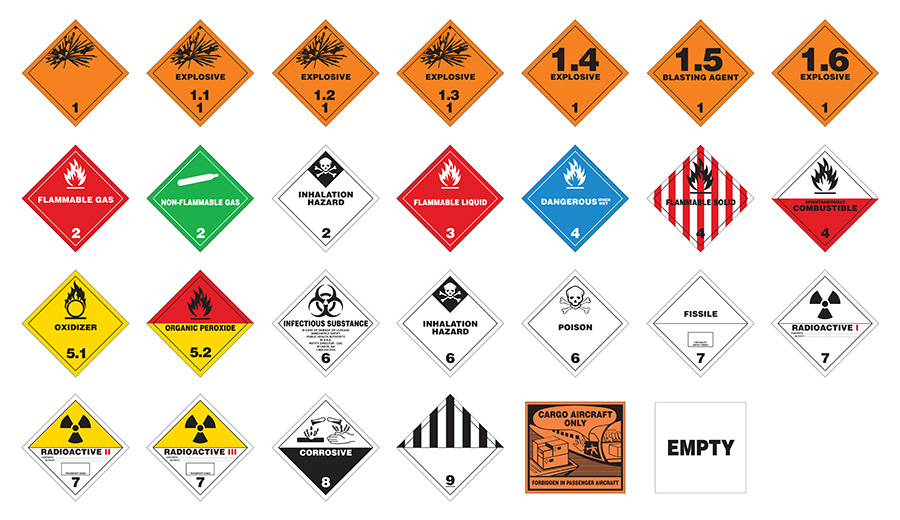
You should have clear and updated information about CFR 49, especially the individual sections of the regulations you need for a specific material and transportation mode. The entire scope of CFR 49 Transportation, a comprehensive collection of eight volumes, provides detailed information on the codes of federal regulations for all modes of transportation (air, highway, rail, and water), as well as the HMR component, which covers the transportation of hazardous materials.
The entire scope of CFR 49 includes requirements for recording and labeling packages, along with reporting and safety requirements for all types of transportation and materials.
Our featured 2-volume sets are the latest versions from 2016 and are available either as standard-bound or spiral-bound versions.
These two volumes cover the entire range of CFR 49 regulations from Parts 100-199 and include a harmonized 49 CFR Hazardous Materials Table for quick reference.
The 2-volume sets from Mancomm combine all the DOT regulations for hazardous material (49 CFR 100-185) with important extras like an easy-to-read HazMat table and 104 illustrations, 243 tables, and 19 forms. You also receive a free access code to regs2go.com, which allows you to view the entire set of regulations online and on your mobile devices.
How to use The Hazardous Materials Regulations from the Department of Transportation can be an invaluable guide to learning what is included in the official regulations, like in either of our featured volumes. The guide also allows you to test your understanding of this complex set of federal regulations. It is a PDF workbook that takes you through the various sections of 49 CFR on HazMat transportation.
You’ll learn the structure of the documents, get a visual overview of the sections and subchapters and then work through an exercise in referencing the headings in several of the subchapters. The PDF file includes five exercises in total and concludes with a “Communicating the Hazard” exercise, which requires you to work through a key part of the regulations.
The DOT workbook starts with the following recommendation:
“HMR must be used to determine the requirements for shipping hazardous materials and should be treated like a technical or reference book. Read it carefully and always read other sections referenced. When determining compliance always use the current HMR, and any Federal Register Notices issued since the publish date. It is recommended that you tab your copy of 49 CFR Parts 100 to 185. A recommended tabbing guide is on pages 6-7 of this publication.”
There is also a systematic guide to meeting compliance for labeling hazardous material for transport. It includes a quick reference chart, which visually highlights the steps, followed by a complete description of the steps in sequence.
Finally, the same PDF also includes a quick true-false test with an answer key and references back to the corresponding subchapters and sections. You’ll also find a complete glossary of acronyms related to HazMat, plus a 6-page glossary explaining relevant terms in HazMat transportation including references to ‘Parts’ and ‘Sections’ where applicable.
You already know that the task of compliance is a crucial for your business and that remaining compliant is an ongoing challenge. Either of these volumes can be a valuable resource for you and your employees who are tasked with the challenge of meeting those regulations in an as efficient a way as possible.
These resources will be useful to reference and update frequently, as your business and compliance needs change as you handle hazardous materials.
This is especially important if you are planning to transport hazardous materials. You need to be well informed with updated and accurate information about the process, the categories and the potential penalties for noncompliance.
Congress legislates the responsibilities deemed necessary for inspection and regulation by federal regulatory bodies. The CFR spells out the details of those legal requirements.
As these regulations change with regularity, new materials, modes of transportation, and shipping emerge. For this reason, it is important to stay as up-to-date as possible.
Here is a summary of the main requirements to remind you of some of the dynamics and point to materials that can help you stay abreast of the latest changes.
Looking at the entire spectrum
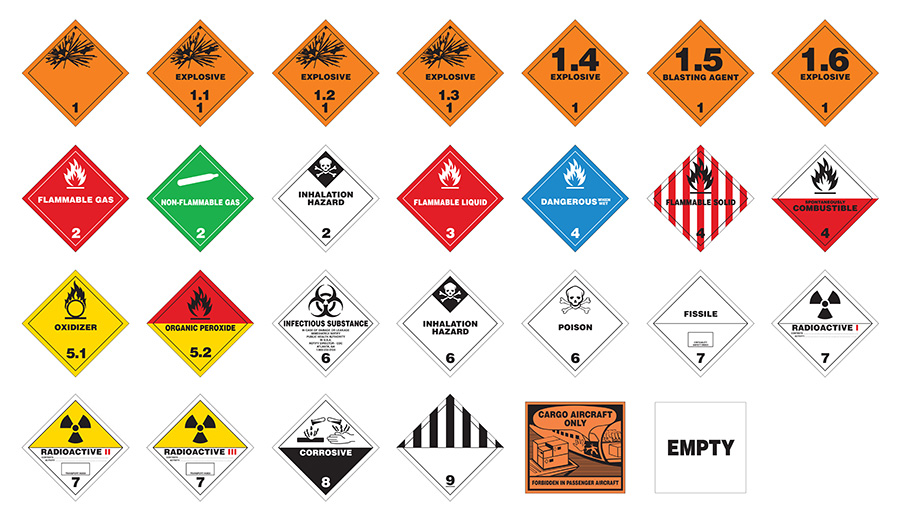
You should have clear and updated information about CFR 49, especially the individual sections of the regulations you need for a specific material and transportation mode. The entire scope of CFR 49 Transportation, a comprehensive collection of eight volumes, provides detailed information on the codes of federal regulations for all modes of transportation (air, highway, rail, and water), as well as the HMR component, which covers the transportation of hazardous materials.
The entire scope of CFR 49 includes requirements for recording and labeling packages, along with reporting and safety requirements for all types of transportation and materials.
Breaking it down into its individual parts
Our featured 2-volume sets are the latest versions from 2016 and are available either as standard-bound or spiral-bound versions.
- Volume 1 features necessary information about a range of regulations from markings to labels to packaging standards. You’ll also find training requirements, information about emergency responses and even performance-oriented packaging standards.
- Volume 2 highlights transportation regulations for the pipeline transport of gas, oil, and other hazardous liquids. Parts 198 and 199 of CFR 49, also included in these two volumes, cover the procedures regulating grants for state pipeline safety programs and drug and alcohol testing.
These two volumes cover the entire range of CFR 49 regulations from Parts 100-199 and include a harmonized 49 CFR Hazardous Materials Table for quick reference.
The 2-volume sets from Mancomm combine all the DOT regulations for hazardous material (49 CFR 100-185) with important extras like an easy-to-read HazMat table and 104 illustrations, 243 tables, and 19 forms. You also receive a free access code to regs2go.com, which allows you to view the entire set of regulations online and on your mobile devices.
Learning to use the comprehensive package of Federal Regulations
How to use The Hazardous Materials Regulations from the Department of Transportation can be an invaluable guide to learning what is included in the official regulations, like in either of our featured volumes. The guide also allows you to test your understanding of this complex set of federal regulations. It is a PDF workbook that takes you through the various sections of 49 CFR on HazMat transportation.
You’ll learn the structure of the documents, get a visual overview of the sections and subchapters and then work through an exercise in referencing the headings in several of the subchapters. The PDF file includes five exercises in total and concludes with a “Communicating the Hazard” exercise, which requires you to work through a key part of the regulations.
The DOT workbook starts with the following recommendation:
“HMR must be used to determine the requirements for shipping hazardous materials and should be treated like a technical or reference book. Read it carefully and always read other sections referenced. When determining compliance always use the current HMR, and any Federal Register Notices issued since the publish date. It is recommended that you tab your copy of 49 CFR Parts 100 to 185. A recommended tabbing guide is on pages 6-7 of this publication.”
There is also a systematic guide to meeting compliance for labeling hazardous material for transport. It includes a quick reference chart, which visually highlights the steps, followed by a complete description of the steps in sequence.
Testing your understanding of HMR
Finally, the same PDF also includes a quick true-false test with an answer key and references back to the corresponding subchapters and sections. You’ll also find a complete glossary of acronyms related to HazMat, plus a 6-page glossary explaining relevant terms in HazMat transportation including references to ‘Parts’ and ‘Sections’ where applicable.
Applying the regulations and remaining compliant
You already know that the task of compliance is a crucial for your business and that remaining compliant is an ongoing challenge. Either of these volumes can be a valuable resource for you and your employees who are tasked with the challenge of meeting those regulations in an as efficient a way as possible.
These resources will be useful to reference and update frequently, as your business and compliance needs change as you handle hazardous materials.