
Transporting Your Shipping Drum: Ground, Air, Sea, or Rail?
- By Cory Levins
- 12 sept 2017

Shipping drums are cylindrical containers used for shipping bulk liquids and granular materials and are usually certified for dangerous chemicals. They may be made of metal, plastic, or corrugated fiberboard and hold greater quantities than most packaging. Shipping drums are much more effective for waterproofing than other shipping containers and are harder to corrode.
Whether shipping drums are sent via ground, air, sea, or rail, there are benefits and drawbacks to each shipping method.
The drum withstands greater pressure and temperature change with ease of storage and handling, and they are easily moved with forklifts when stored on pallets. They can be easily stacked for shipment and rolled if not filled with hazardous materials, making relocation easier.
Thus, the cost and benefit of each shipping method have less to do with the drum itself but with the transport.
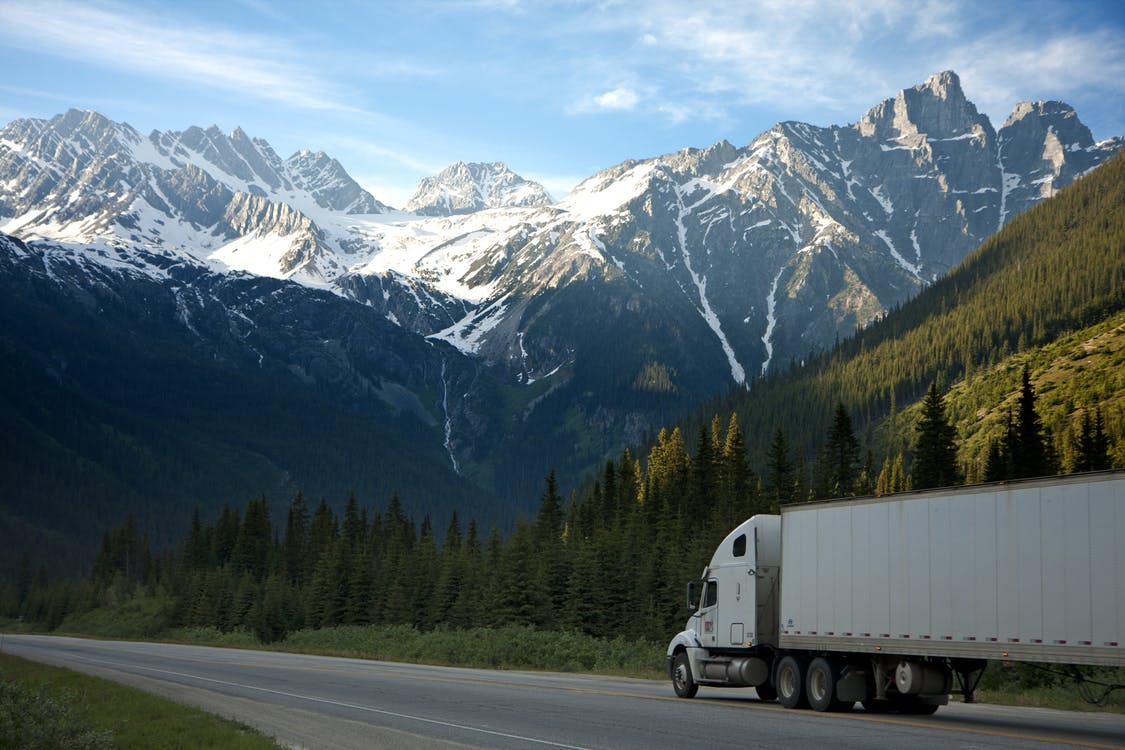
Most inland drums are shipped via trucking due to convenience and cost. Over shorter distances, it’s the most effective ground shipping method within the United States, and there are more highway routes than rail routes, with more ability to stop and monitor the cargo.
However, truck freight has five times the number of accidents as rail transport. Highway transport is ideal for drum shipping of less volatile substances over shorter distances and for small bulk shipments.
It is preferred for less volatile substances because there are more safety and theft risks with trucking and the route is through more densely populated areas. It is cheaper than rail shipping as well, and if it is a close destination the arrival time is considerably faster. With proper safety precautions, highway trucking is the preferred method of drum shipping.
It may be a consideration for especially long distances within one country with a deadline for arrival that is narrow for land delivery, but, typically, the price or weight capacity will rule out air freight for drums.Air freight shipping is fastest and most convenient for barrel shipping, but it is not cost-effective, especially because full barrels are heavy items. Air freight should be considered for time-sensitive items or international items, but, likely, not for anything not needed immediately or being shipped within the country.
Barrels are large, and air freight generally has limited space, so this may not be an option for big quantities. A few barrels shipped at one time are more reasonable for an air shipment, but also consider that temperature control is not a benefit of drum storage, and there are no temperature controls when flying, either. Cold-sensitive items stored in barrels should not be sent via air cargo, and plastic drums rather than steel because of the temperature conductivity.
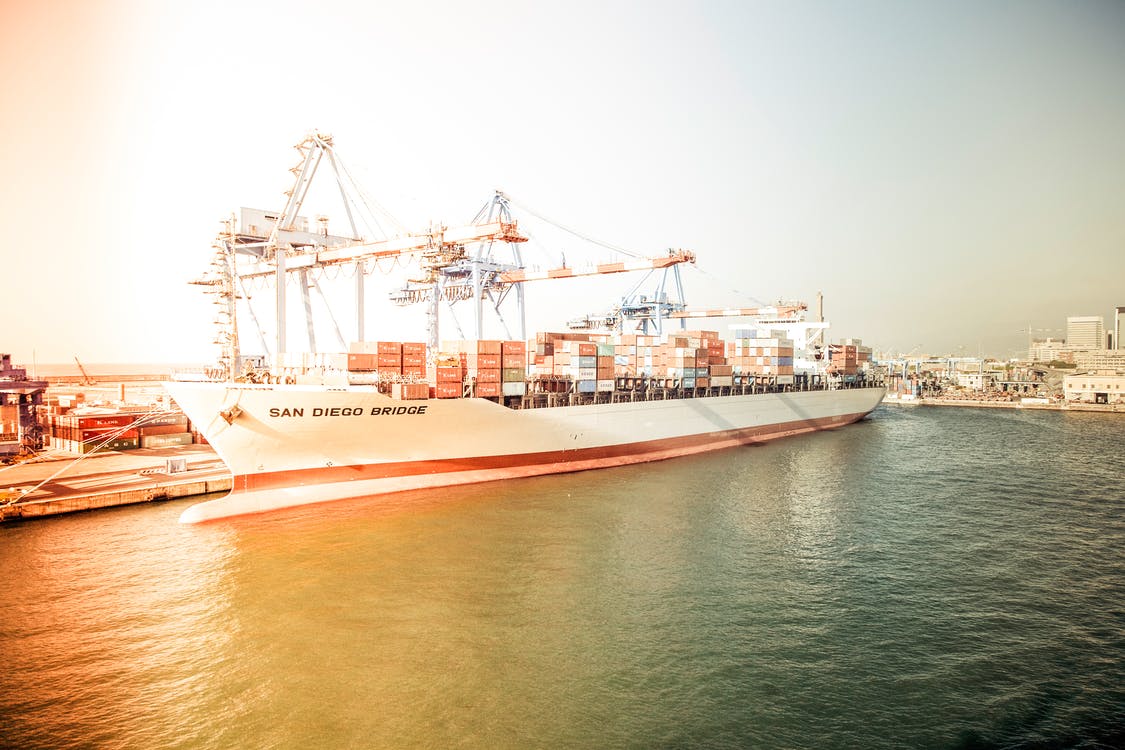
Maritime shipping is a smart choice for drums shipped in large quantities to locations over water and without time urgency. It is much more cost-effective than air freight, and there are few downsides, other than time and location complications—if the shipment isn’t port to port, the shipper needs to arrange overland transport as well, on either side of the voyage.
Air freight is the only other option for cargo that can’t be shipped completely overland, and there are a few more restrictions for air transport for items that don’t handle temperature and pressure changes well.
Sea freight can also accept the greatest quantities of cargo, in comparison of all four methods, while air freight can handle the least.
Steel shipping drums are recommended for sea travel because they are more durable. Sea freight drum shipping is the best option in most cases that don’t require immediate receipt.
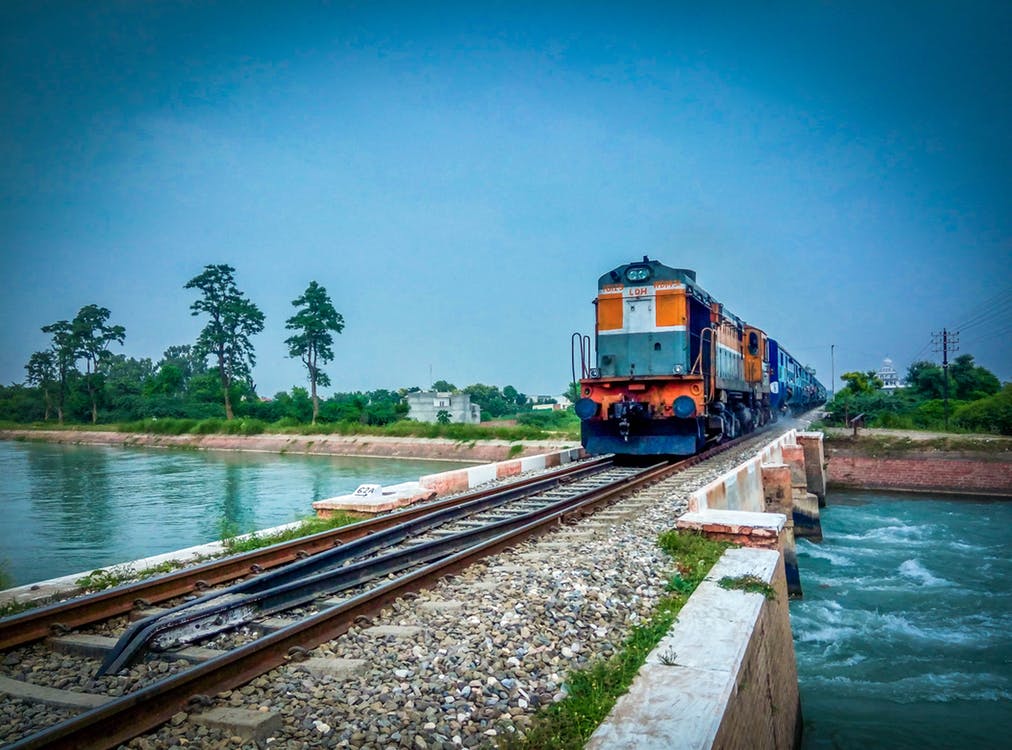
Rail freight is the best method for overland drum shipping if there is a great distance from the origin to destination and timely delivery is not of the essence. Also, it’s better for more volatile hazardous drum contents because it’s much safer than truck travel.
Rail also handles much greater quantities than trucks and is more environmentally friendly. Ideally, rail is the best method of overland transport, but, due to cost and time deadlines, it is not always the logical option.
The benefits are so substantial, though, that the solution may be to plan shipments well enough in advance so the time in shipment problem is less of a concern and shorter destination deliveries can be consolidated with longer routed cargo.
Each method of freight for drum shipping has benefits and disadvantages, and it should be easy to pick the right method for each need—air and sea are better for international shipments, but air must be in smaller, lighter weight quantities and with less volatile substances.
Sea is best for very large quantities and no rush in arrival, while air is the only option if needed immediately, especially for large distances.
Overland shipments require truck or rail, or, in a time crunch, air, with the same caveats as international shipping. Rail is the ideal method due to safety and volume abilities, but, for shorter distances and delivery times, shippers typically choose ground transport via truck.
Whether shipping drums are sent via ground, air, sea, or rail, there are benefits and drawbacks to each shipping method.
The drum withstands greater pressure and temperature change with ease of storage and handling, and they are easily moved with forklifts when stored on pallets. They can be easily stacked for shipment and rolled if not filled with hazardous materials, making relocation easier.
Thus, the cost and benefit of each shipping method have less to do with the drum itself but with the transport.
Ground
Most inland drums are shipped via trucking due to convenience and cost. Over shorter distances, it’s the most effective ground shipping method within the United States, and there are more highway routes than rail routes, with more ability to stop and monitor the cargo.
However, truck freight has five times the number of accidents as rail transport. Highway transport is ideal for drum shipping of less volatile substances over shorter distances and for small bulk shipments.
It is preferred for less volatile substances because there are more safety and theft risks with trucking and the route is through more densely populated areas. It is cheaper than rail shipping as well, and if it is a close destination the arrival time is considerably faster. With proper safety precautions, highway trucking is the preferred method of drum shipping.
Air
It may be a consideration for especially long distances within one country with a deadline for arrival that is narrow for land delivery, but, typically, the price or weight capacity will rule out air freight for drums.Air freight shipping is fastest and most convenient for barrel shipping, but it is not cost-effective, especially because full barrels are heavy items. Air freight should be considered for time-sensitive items or international items, but, likely, not for anything not needed immediately or being shipped within the country.
Barrels are large, and air freight generally has limited space, so this may not be an option for big quantities. A few barrels shipped at one time are more reasonable for an air shipment, but also consider that temperature control is not a benefit of drum storage, and there are no temperature controls when flying, either. Cold-sensitive items stored in barrels should not be sent via air cargo, and plastic drums rather than steel because of the temperature conductivity.
Sea
Maritime shipping is a smart choice for drums shipped in large quantities to locations over water and without time urgency. It is much more cost-effective than air freight, and there are few downsides, other than time and location complications—if the shipment isn’t port to port, the shipper needs to arrange overland transport as well, on either side of the voyage.
Air freight is the only other option for cargo that can’t be shipped completely overland, and there are a few more restrictions for air transport for items that don’t handle temperature and pressure changes well.
Sea freight can also accept the greatest quantities of cargo, in comparison of all four methods, while air freight can handle the least.
Steel shipping drums are recommended for sea travel because they are more durable. Sea freight drum shipping is the best option in most cases that don’t require immediate receipt.
Rail
Rail freight is the best method for overland drum shipping if there is a great distance from the origin to destination and timely delivery is not of the essence. Also, it’s better for more volatile hazardous drum contents because it’s much safer than truck travel.
Rail also handles much greater quantities than trucks and is more environmentally friendly. Ideally, rail is the best method of overland transport, but, due to cost and time deadlines, it is not always the logical option.
The benefits are so substantial, though, that the solution may be to plan shipments well enough in advance so the time in shipment problem is less of a concern and shorter destination deliveries can be consolidated with longer routed cargo.
Conclusion
Each method of freight for drum shipping has benefits and disadvantages, and it should be easy to pick the right method for each need—air and sea are better for international shipments, but air must be in smaller, lighter weight quantities and with less volatile substances.
Sea is best for very large quantities and no rush in arrival, while air is the only option if needed immediately, especially for large distances.
Overland shipments require truck or rail, or, in a time crunch, air, with the same caveats as international shipping. Rail is the ideal method due to safety and volume abilities, but, for shorter distances and delivery times, shippers typically choose ground transport via truck.


