
What Is Flash Point?
- By Cory Levins
- 17 feb 2022

Source: Jag_cz/Shutterstock.com
Summary:
- Flash point is the lowest temperature at which a volatile material produces an ignitable vapor.
- You heat the material under controlled conditions and apply an open flame to determine the flash point.
- Volatile chemicals require jerricans for safe transport.
- Flammable cabinets are ideal for storing jerricans containing volatile chemicals.
- Hazmat placards are necessary for alerting transport workers to the shipping contents.
If you plan on working with volatile chemicals that are either flammable or combustible, it’s essential that you know their flash point. This information can help you and transport workers safely store and handle these products.
When shipping or handling flammable materials, Federal law requires you, the person sending these materials, to correctly identify them. Correct packaging and labeling of flammable materials help protect workers handling these items during transit. The flash point of hazardous goods affects their classification, how you ship them and which carriers are willing or able to transport them.
What Is Flash Point?
When evaluating the flammability and combustibility of materials for storage and transport, you need to consider the flash point. The flash point is the lowest temperature at which a volatile material, typically a liquid, generates a vapor that can ignite or flash when exposed to a flame or other heat source.
The temperature below the flash point is not high enough to cause combustion. Above the flash point is the fire point, the temperature at which the material will combust.
Check Out Our UN-Certified HDPE Jerrican Products
Flash Point Testing
To test the flash point of a liquid, you place it in an open or closed cup (depending on whether you want to simulate stored or workplace conditions), heat it to a specified temperature and expose it to a flame. The flash point can vary considerably from one material to another. The flash point temperature also determines whether the material is classified as flammable or combustible.
-
Flammable vs. combustible
Whether a liquid is flammable or combustible depends on its flash point. If the flash point of a liquid is below 100°F, the liquid is flammable. For example, the flash point of gasoline is -45°F.
If the liquid’s flash point is at or above 100°F, it’s combustible. Diesel fuel is an example of a combustible liquid, having a flash point of 100°-205°F, depending on the fuel grade. It’s not the liquid that burns but its vapor. The vapor pressure determines the rate at which a liquid releases flammable vapor.
Source: Mattpix/Shutterstock.com
Jerricans and Cabinets for Safe Storage and Transport
To safely store and transport volatile chemicals, it’s necessary to invest in the right equipment. The jerrican and safety cabinet are two ways to store materials with low flash points safely.
-
Jerricans
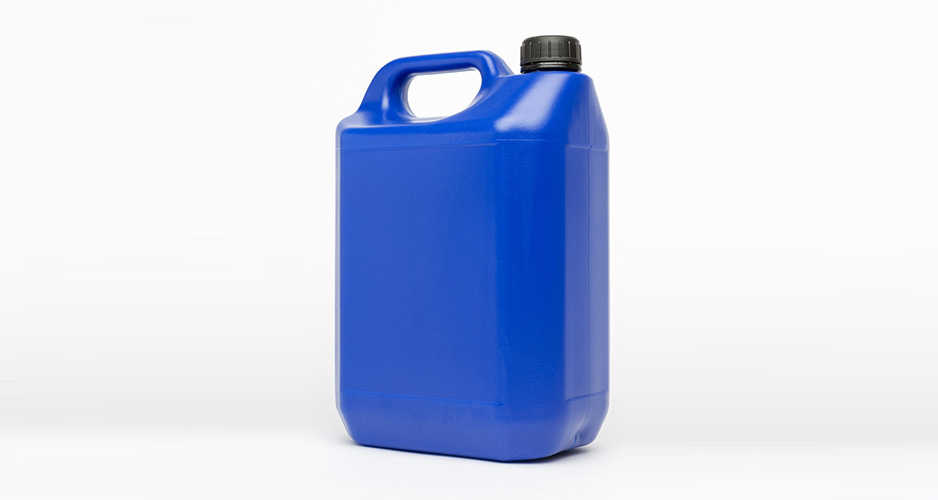
A jerrican is a durable steel or plastic container for storing and transporting liquids. At Air Sea Containers, we offer UN-certified plastic jerricans and jugs in various capacities, ranging from three liters (0.79 gallons) to 30 liters (7.93 gallons), depending on your storage requirements.
Our jerricans are lightweight and durable with high-density polyethylene (HDPE). This material is ideal for shipping volatile chemicals in single or combination packaging.
The jerrican molding is suitable for stacking, saving cargo space. Since our jerricans are BPA-free, they’re food safe. The handle is comfortable to grip, and the screw cap is tamper-evident. We also sell our jerricans with corresponding hazmat cardboard boxes with your choice of hazmat label to simplify the shipping process.
-
Safety cabinets
While our HDPE jerricans are convenient for short-term storage and shipping, they’re not suitable for fire protection. For safe, heat-resistant storage, combine our jerricans with a flammable cabinet. These cabinets are available in various shapes, sizes and configurations.
Our Sure-Grip® EX Slimline Flammable Safety Cabinet has an 83-liter (22-gallon) capacity, three adjustable internal shelves and a self-latching, manual-close door. The depth of the cabinet is 18”, and the welded 18-gauge double-wall steel construction and 1½” of air space increase fire protection. The galvanized steel shelves direct spills toward an internal sump, ensuring that any internal leaks are safely contained.
Find the Best Flammable Cabinet for Volatile Chemicals
Source: Yevhen Roshchyn/Shutterstock.com
-
Warning placards
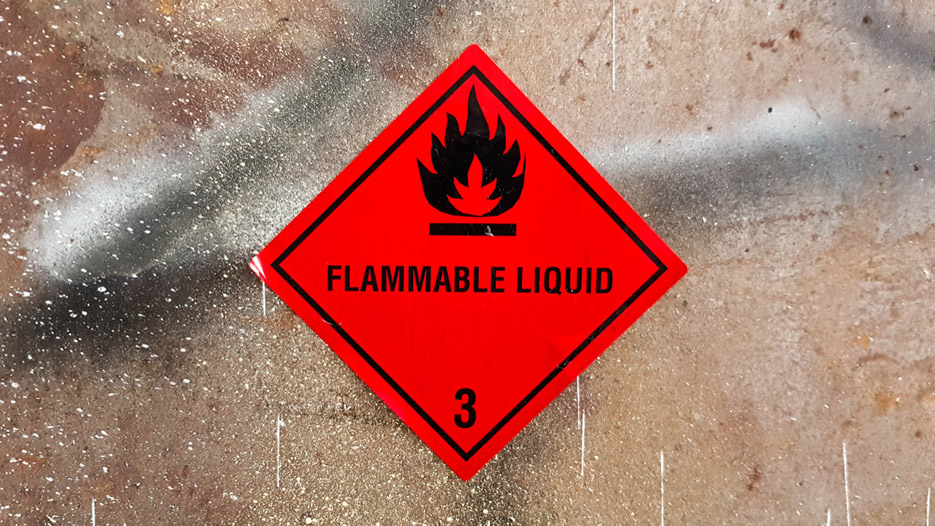
Hazardous goods require hazmat warning placards. Storing volatile chemicals with low flash points may require special precautions, a controlled ambient temperature and proper ventilation. Warning placards clearly indicate to workers what hazards they face in handling and storing your cargo. They deliver essential safety information that protects workers on the job. Our DOT-compliant hazmat placards are durable and highly visible, the perfect choice for trucks and ships.
Find the Best Safety Equipment
At Air Sea Containers, we supply various types of equipment for the safe storage and transport of hazardous materials. This includes volatile chemicals with low flash points that pose a fire or explosion hazard. Transporting hazardous materials, both domestically and internationally, requires compliant packaging, placards and shipping declarations.


