
Five Ways to Prepare Your Shipping Barrels for Cold Weather Travel
- By Cory Levins
- 11 ene 2019

Creating an efficient and reliable supply chain often means finding a way to navigate unfavorable conditions and keep the wheels turning. Shipping goods in cold weather is one such challenge — it requires planning, patience and a little bit of creativity. Fortunately, you’ve got many solid resources at your disposal to help weather the storm.
At AirSea Containers, we know that commerce can’t stop when conditions change. Even areas that don’t typically experience severe winter weather can get slammed when they least expect it. That’s why we offer a complete range of resources for dealing with cold weather shipping, including cargo heating devices.
Let’s look at a few key tips for preparing your shipping barrels for cold weather shipping.
The first step is to be aware of the hazards you face when shipping in cold weather. Some materials, such as water-based adhesives, are highly sensitive to cold and may even become unusable if allowed to freeze. Considerations will be different for every type of cargo, but if you’re shipping any of the following, be particularly careful:
These and other items can be irreparably damaged by freezing. Make sure you’re familiar with the properties of what you’re shipping and how it reacts to low temperatures.
AirSea offers a wide variety of shipping barrels, so take the time to ensure that you’re selecting the right ones for the goods you’re shipping. We have three main varieties of shipping barrels available: steel, plastic/poly and fiberboard.
You’ll most likely want to go with polycarbonate or steel drums when shipping goods in cold weather. Drum heaters — devices that wrap around drums and keep their contents warm — are widely available for both of these types of barrel. However, note that since metal conducts heat more readily than plastic does, steel drums will lose their heat more quickly than plastic ones and may require more heating.
Fiberboard drums are generally a sub-optimal choice for shipping temperature-sensitive materials, as they have limited capacity to insulate. However, if you have to use them, drum heaters are available for these models as well.

It’s important to seal shipping barrels correctly no matter the weather, but it’s even more important in frigid temperatures. A poorly sealed barrel will lose its heat more quickly, and its contents will be at greater risk of freezing.
Make sure you know which type of drum you’re using and what its correct closure method is. Closed-head drums are one unibody piece; their contents are accessed by attaching a spigot to a bung in the drum’s head. These drums are generally considered to be more secure. Open-head drums have a removable lid piece. If you’re using open-head drums, make sure that the locking rings on their lids are securely attached before shipping.
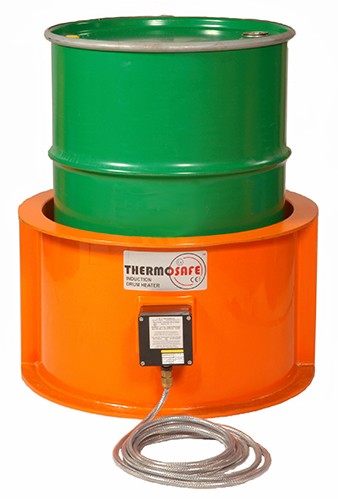
Drum heaters are a key tool for maintaining goods at the correct temperature. They come in many shapes and sizes, but all work according to a similar principle. Place the heater around the barrel that needs to be temperature-protected, turn it on and the device will heat the barrel to whatever temperature you set.
AirSea offers several high-performance drum heaters, including:
You should also ensure that your logistics team knows how to use and monitor the drum heaters you’re using. Last but not least, remember that AirSea can provide drum heating sleeves in many custom shapes and sizes. If you don’t see what you need, just contact us through our website and request a custom order!
As always, prevention is the best defense. Potential damage from freezing becomes less of a concern when you keep trips short and idle times low. Talk to your freight carrier and get their advice — they may be able to help design a schedule that protects your most sensitive goods.
Some freight carriers even offer “protect from freeze” services that include temperature monitoring and heated trailers to prevent your goods from freezing. If the goods you’re shipping are highly temperature-sensitive, these can be a good investment.
Freezing weather is a fact of life in many parts of the U.S. and the world, so make sure your goods are protected. AirSea Containers continues to offer shipping solutions that address our customers’ needs in all the most important ways. If you’ve got more questions about packaging for cold-weather shipping and how to do it safely and effectively, call our experts at 866-801-2581.
At AirSea Containers, we know that commerce can’t stop when conditions change. Even areas that don’t typically experience severe winter weather can get slammed when they least expect it. That’s why we offer a complete range of resources for dealing with cold weather shipping, including cargo heating devices.
Let’s look at a few key tips for preparing your shipping barrels for cold weather shipping.
1. Know how cold affects the goods you’re shipping.
The first step is to be aware of the hazards you face when shipping in cold weather. Some materials, such as water-based adhesives, are highly sensitive to cold and may even become unusable if allowed to freeze. Considerations will be different for every type of cargo, but if you’re shipping any of the following, be particularly careful:
- Batteries
- Adhesives
- Paints
- Food and beverages
- Biological materials
These and other items can be irreparably damaged by freezing. Make sure you’re familiar with the properties of what you’re shipping and how it reacts to low temperatures.
2. Choose the right barrels for your needs.
AirSea offers a wide variety of shipping barrels, so take the time to ensure that you’re selecting the right ones for the goods you’re shipping. We have three main varieties of shipping barrels available: steel, plastic/poly and fiberboard.
You’ll most likely want to go with polycarbonate or steel drums when shipping goods in cold weather. Drum heaters — devices that wrap around drums and keep their contents warm — are widely available for both of these types of barrel. However, note that since metal conducts heat more readily than plastic does, steel drums will lose their heat more quickly than plastic ones and may require more heating.
Fiberboard drums are generally a sub-optimal choice for shipping temperature-sensitive materials, as they have limited capacity to insulate. However, if you have to use them, drum heaters are available for these models as well.
3. Make sure the barrels are sealed properly.
It’s important to seal shipping barrels correctly no matter the weather, but it’s even more important in frigid temperatures. A poorly sealed barrel will lose its heat more quickly, and its contents will be at greater risk of freezing.
Make sure you know which type of drum you’re using and what its correct closure method is. Closed-head drums are one unibody piece; their contents are accessed by attaching a spigot to a bung in the drum’s head. These drums are generally considered to be more secure. Open-head drums have a removable lid piece. If you’re using open-head drums, make sure that the locking rings on their lids are securely attached before shipping.
4. Use drum heaters.
Drum heaters are a key tool for maintaining goods at the correct temperature. They come in many shapes and sizes, but all work according to a similar principle. Place the heater around the barrel that needs to be temperature-protected, turn it on and the device will heat the barrel to whatever temperature you set.
AirSea offers several high-performance drum heaters, including:
- The IntelliHeat® Thermosafe® Induction Heater, an energy-efficient and low-maintenance induction heating device perfect for warming steel barrels.
- The Powerblanket® line, suitable for plastic or metal drums, featuring adjustable thermostats and Rapid Ramp technology to increase heat quickly.
- Thermulate® Flexible Heating Jackets, a gentle and flexible “fit and forget” heating solution.
You should also ensure that your logistics team knows how to use and monitor the drum heaters you’re using. Last but not least, remember that AirSea can provide drum heating sleeves in many custom shapes and sizes. If you don’t see what you need, just contact us through our website and request a custom order!
5. Schedule smart.
As always, prevention is the best defense. Potential damage from freezing becomes less of a concern when you keep trips short and idle times low. Talk to your freight carrier and get their advice — they may be able to help design a schedule that protects your most sensitive goods.
Some freight carriers even offer “protect from freeze” services that include temperature monitoring and heated trailers to prevent your goods from freezing. If the goods you’re shipping are highly temperature-sensitive, these can be a good investment.
Freezing weather is a fact of life in many parts of the U.S. and the world, so make sure your goods are protected. AirSea Containers continues to offer shipping solutions that address our customers’ needs in all the most important ways. If you’ve got more questions about packaging for cold-weather shipping and how to do it safely and effectively, call our experts at 866-801-2581.


