
Can Shipping Materials Prevent Leaks?
- By Cory Levins
- 3 mar 2017
When shipping hazardous items, you not only have to worry about meeting all the strict shipping requirements, but you also need to be concerned about leaks. A leak inside a ship or plane – or even inside the package itself – is a safety concern. Flammable items can cause explosions that can lead to serious injuries or even death. Because of this, making sure that the materials stay inside their shipping container throughout the duration of the shipment is of utmost importance.
Fortunately, with the right shipping materials, you can prevent leaks from occurring and ruining the shipment. For example, if you ship materials inside plastic containers, you need to be careful of punctures, since plastic tends to crack and get holes. To prevent leaks from plastic containers, you can use materials such as tamper-proof caps, bubble wrap, shrink wrap, and tape. Packing peanuts can also help keep materials in place.

Plastic can also warp due to extremely hot or cold temperatures. The bottle could melt or crack, or the liquid inside could expand and cause leakage.
In order to find the best shipping materials to meet your needs, you first need to understand the purpose of packaging and what it aims to accomplish. Packaging helps keep the materials clean by preventing dirt, dust, and other contaminants from touching them. It also prevents physical damage to the item. The right packaging should also prevent leakage and other losses. A leak can decrease the amount of product, as well as pose a danger to the package handlers.
When shipping hazardous materials, leaks are a huge safety concern. Therefore, it’s important to not only follow the Dangerous Goods Regulations put in place by the International Air Transport Association but to also use the correct shipping materials.
When packing smaller items, you may need to use Styrofoam and packing peanuts to protect your items during shipment. These products act as cushions to protect fragile items.
Air pillows help fill in spaces in the package. They protect the item during shipment so it doesn’t suffer damage from being rocked back and forth inside the box.
When shipping items that need to stay cool during transit, gel packs are a good choice. That’s because dry ice and chemicals can contaminate your hazardous materials and cause spills and other dangerous issues. Gel packs do not have this issue; plus, they come in various sizes to fit your needs.
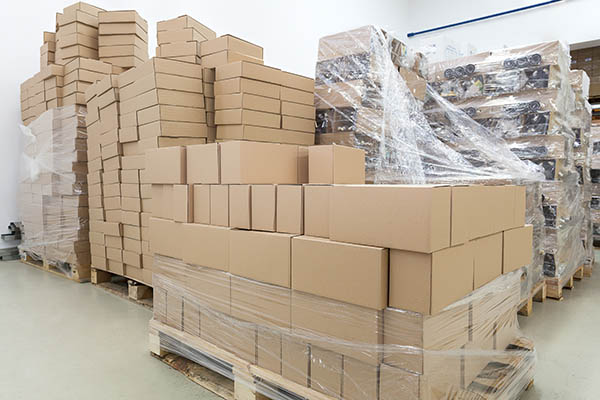
Stretch wrap works well when shipping pallets of items. This wrap keeps everything contained on the pallet. Stretch wrap works well for storage purposes as well. As an added bonus, it also keeps moisture and dirt from damaging the items on the pallet.
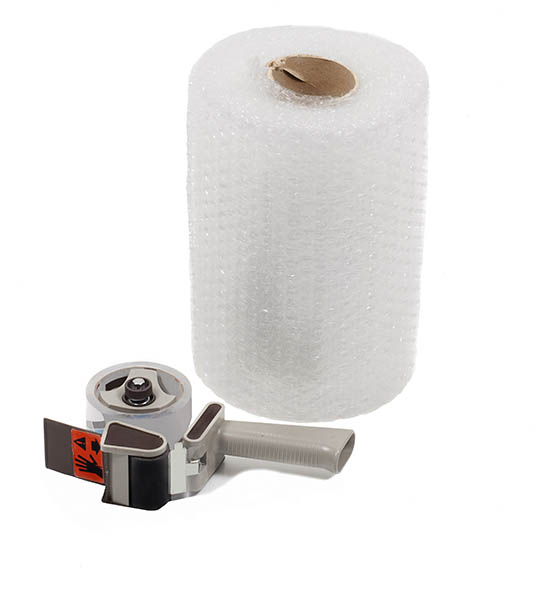
Bubble wrap allows you to cushion fragile items without the need for tape. You can purchase bubble wrap in small bags, sheets, or rolls.
Locks and seals keep lids on cans so that the contents do not spill. Ring locks and securing clips are available for 1-gallon and 1-quart cans.
If you commonly ship large batteries or barrels that contain hazardous materials, you’ll want to invest in spill control trays. These eco-friendly trays come in various sizes and are lightweight but durable. Because they are rated for extreme temperatures, you can use them indoors or outdoors.
Don’t forget the tape. Tape secures boxes and keeps items in place during the shipping process. There are many varieties of tape to choose from. There is plastic tape, water activated tape, and printed tape (which may have wording such as “Caution” or “Check Contents”). There are colors such as clear, brown, and gray, and different sizes – most commonly 2” and 3”.
Shipping materials can be a pricey investment, but they work well for keeping items secure and preventing leaks. You can easily spend hundreds or even thousands of dollars on materials to help protect your items during shipment, but don’t let this deter you. It’s well worth the money in the long run. You’ll stay in compliance with all the shipping regulations and save money on fines and penalties.
Fortunately, with the right shipping materials, you can prevent leaks from occurring and ruining the shipment. For example, if you ship materials inside plastic containers, you need to be careful of punctures, since plastic tends to crack and get holes. To prevent leaks from plastic containers, you can use materials such as tamper-proof caps, bubble wrap, shrink wrap, and tape. Packing peanuts can also help keep materials in place.
Plastic can also warp due to extremely hot or cold temperatures. The bottle could melt or crack, or the liquid inside could expand and cause leakage.
Purpose of Packaging
In order to find the best shipping materials to meet your needs, you first need to understand the purpose of packaging and what it aims to accomplish. Packaging helps keep the materials clean by preventing dirt, dust, and other contaminants from touching them. It also prevents physical damage to the item. The right packaging should also prevent leakage and other losses. A leak can decrease the amount of product, as well as pose a danger to the package handlers.
When shipping hazardous materials, leaks are a huge safety concern. Therefore, it’s important to not only follow the Dangerous Goods Regulations put in place by the International Air Transport Association but to also use the correct shipping materials.
Types of Shipping Materials
When packing smaller items, you may need to use Styrofoam and packing peanuts to protect your items during shipment. These products act as cushions to protect fragile items.
Air pillows help fill in spaces in the package. They protect the item during shipment so it doesn’t suffer damage from being rocked back and forth inside the box.
When shipping items that need to stay cool during transit, gel packs are a good choice. That’s because dry ice and chemicals can contaminate your hazardous materials and cause spills and other dangerous issues. Gel packs do not have this issue; plus, they come in various sizes to fit your needs.
Stretch wrap works well when shipping pallets of items. This wrap keeps everything contained on the pallet. Stretch wrap works well for storage purposes as well. As an added bonus, it also keeps moisture and dirt from damaging the items on the pallet.

Bubble wrap allows you to cushion fragile items without the need for tape. You can purchase bubble wrap in small bags, sheets, or rolls.
Locks and seals keep lids on cans so that the contents do not spill. Ring locks and securing clips are available for 1-gallon and 1-quart cans.
If you commonly ship large batteries or barrels that contain hazardous materials, you’ll want to invest in spill control trays. These eco-friendly trays come in various sizes and are lightweight but durable. Because they are rated for extreme temperatures, you can use them indoors or outdoors.
Don’t forget the tape. Tape secures boxes and keeps items in place during the shipping process. There are many varieties of tape to choose from. There is plastic tape, water activated tape, and printed tape (which may have wording such as “Caution” or “Check Contents”). There are colors such as clear, brown, and gray, and different sizes – most commonly 2” and 3”.
Shipping materials can be a pricey investment, but they work well for keeping items secure and preventing leaks. You can easily spend hundreds or even thousands of dollars on materials to help protect your items during shipment, but don’t let this deter you. It’s well worth the money in the long run. You’ll stay in compliance with all the shipping regulations and save money on fines and penalties.


