What Is a Tier Supplier?
- By Cory Levins
- 9 nov 2021

Source: TMLsPhotoG/Shutterstock.com
Summary:
- Supply chain management is critical to the success of every OEM.
- OEMs manufacture and distribute finished products to customers.
- Tier 3 suppliers provide raw materials, such as metal stock.
- Tier 2 suppliers take those raw materials and transform them into the next stage, providing parts and assemblies.
- Tier 1 suppliers provide OEMs with finished parts or systems ready for final assembly.
A supply chain is the sequence of processes and actions necessary to produce and distribute finished products to customers. Supply chain management is essential to businesses that manufacture or distribute products, whether consumer electronics or automotive parts.
What is a tier supplier, and how does it relate to shipping? As part of a management plan, companies will tier suppliers according to their production and distribution processes. You’ll typically see supplier tiering in the automotive and aerospace industries. This is often visualized as a pyramid, showing the flow of parts or supplies from the bottom upward.
Supply Chain Pyramid
In highly competitive industries involving complex products, few companies produce everything in-house. Many companies outsource or license production to other companies that also source suppliers for the materials and parts needed.
The supply chain pyramid is a visualization of production sequences and consists of four types of companies: The OEM and three supplier tiers. Together, these businesses are essential to the efficient production and distribution of goods to companies supplying customers.
Shop Our Dunnage Bags and Other Packaging Solutions
Original Equipment Manufacturers
At the top of the supply chain pyramid is the OEM or original equipment manufacturer. An OEM is typically a contract manufacturer that produces parts, systems, or assemblies for other companies to market and sell as their own or incorporate into their own products. Other OEMs manufacture complete products for companies to sell to customers.
Well-known brands like Apple, Nintendo and Sony will often contract an OEM to manufacture consumer electronics, such as smartphones and video-game consoles. An example would be the Taiwanese company Foxconn. However, OEMs still rely on suppliers for parts and subassemblies produced from raw materials as part of the supply chain.
Source: Panksvatouny/Shutterstock.com
Tiered Suppliers
Suppliers are tiered depending on how close they are to delivering a finished product, assembly or system to the OEM. For example, tier 3 suppliers at the bottom of the pyramid provide raw materials to tier 2 suppliers. Raw materials, such as bar stock, are necessary for the production of finished goods. These suppliers are the foundation of the supply chain.
Tier 2 suppliers take those raw materials and transform them into the next stage for production, delivering parts or assemblies to tier 1 companies.
Depending on the contract specifications, tier 1 suppliers provide original equipment manufacturers with the parts or assemblies needed to produce functional components or complete products.
These companies adhere to strict quality control standards and usually have established processes for working with companies lower on the pyramid. The tier 1 supplier will sometimes provide manufacturing services, allowing the OEM to focus on assembly, distribution and marketing.
For Safe and Compliant Shipping, See Our Lithium-Ion Battery Packaging
Source: GGMPHOTO/Shutterstock.com
Protective Packaging
When a supplier ships parts or assemblies to an OEM, it needs packaging. Likewise, when an OEM assembles finished components or products for distribution, the packaging is critical to protecting these goods and ensuring they reach the end-user in the same condition they left the factory.
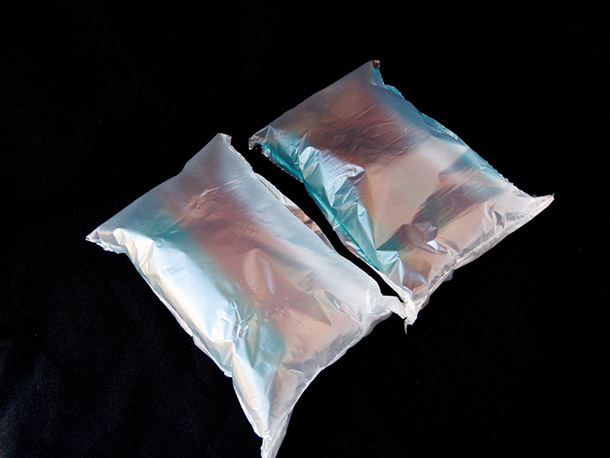
One way to ensure your products aren’t damaged in transit is by using protective dunnage bags, stopping packages from colliding with each other on trucks. When you’re shipping delicate electronic components, this kind of cushioning is essential.
Any supplier that ships potentially hazardous materials or products will need to transport them safely and comply with UN and DOT regulations. They can do this by using certified hazmat boxes to keep the products and those handling them safely.
If your supplier ships parts or goods requiring power systems, they’ll also need to determine whether it’s necessary to use compliant lithium-ion battery packaging.
Find the Packaging You Need
At Air Sea Containers, we offer various packaging solutions for OEMs and suppliers, ensuring they’re able to safely ship products, parts and assemblies. We know the shipping process can potentially damage delicate instruments and electronics, so we provide durable options that protect your equipment in transit.
Our packaging complies with all applicable regulations. With a wide selection of Dangerous Goods packaging and shipping solutions that focus on sustainability, there’s something for everyone.
We value customer satisfaction and support, which is why we offer price matching on most products. To learn more about our products, fill out our contact form and see how our shipping solutions can work for you.