Source: Satakorn/ Shutterstock.com
Summary:- Shipping dangerous goods requires compliance with DOT regulations.
- DOT regulations are based on United Nations standards, which include UN-approved packaging for dangerous goods.
- UN-approved packaging is designed to contain dangerous goods and is certified after testing.
- UN-approved packaging also carries a code indicating specifications of what the package contains.
- Packages are ranked according to their degree of danger.

Source: mewaji/ Shutterstock.com
Coding and Labeling
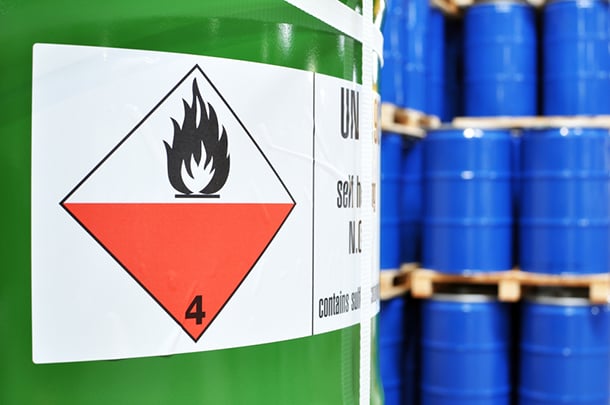
However, using UN-certified packaging like custom shipping boxes purchased from Air Sea Containers is not the only requirement for safe shipping of hazardous goods. A permanent UN marking must be visible on the package’s exterior identifying the products being transported, which also bears a unique UN identification code. The unique identification code is a string of letters and numbers identifying the type and quantity of dangerous goods in the package. The code also enables the package to be tracked at any point during its journey. The code indicates the material the package is made from, the maximum gross mass, the specific gravity or the hydrostatic pressure of the dangerous material, whether solid or liquid, and the location and year of manufacture. The marking also includes details of the sender and contact information. The first number indicates the type of packaging, whether a drum, jerrican, box or bag. The letter that follows refers to the material used to construct the packaging, such as wood, paper, plastic or steel. The next number indicates whether the packaging is an open or closed head. The Roman numerals in the packaging code show the tested rating of the packing group (PG), where X indicates the highest degree of danger, Y indicates a medium degree of danger and Z indicates the lowest degree of danger: X = PG I, II, III Y = PG II, III Z = PG III If the packaging has been tested to the highest degree of danger, you can also use it for less dangerous materials. Following the rating is the Maximum Gross Mass or Specific Gravity and whether the goods are solid or liquid. The final number and letters in the code are the year and place of manufacture. For example, the code UN 1A1/ X1.5/ 250 /19/ USA/ LM0000 indicates an open steel drum containing liquid with a 1.5 specific gravity and 250 kPa hydrostatic test pressure. The packaging was manufactured in 2019 in the USA.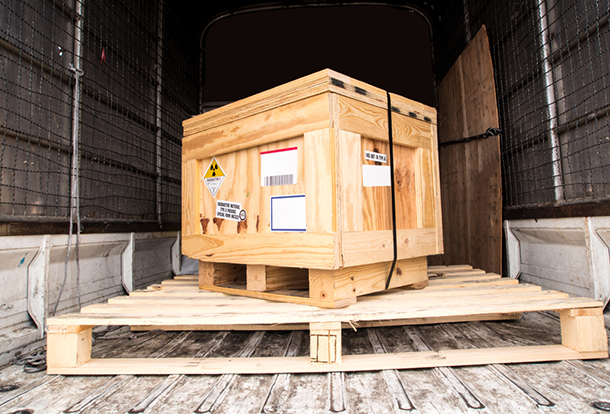
Source: Satakorn/ Shutterstock.com