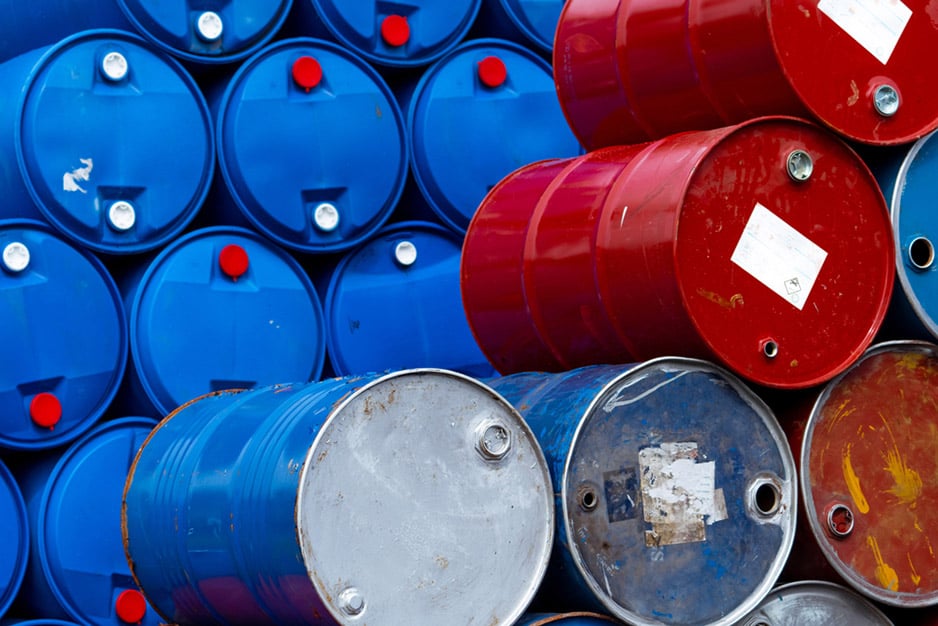
Source: Dusan Petkovic/Shutterstock.com
Summary:
- Lab packs store smaller containers full of hazardous materials.
- Lab packs have specific DOT and UN regulations for their packaging, shipping, and disposal.
- Lab packs are for organizations that handle small amounts of hazardous substances. Bulk hazmat containers are better for organizations that handle large quantities of hazardous materials.
Laboratories, medical facilities, warehouses, and any other businesses that use or generate hazardous chemicals, use lab packs for proper disposal. Whether a supply of chemicals is partially used, out-of-date, or a chemical by-product, companies need to use the appropriate hazmat box or container. Lab packs provide safe packaging as long as organizations follow the necessary lab pack guidelines.
Find the Appropriate Hazmat Box in Our Online StoreLab Pack Rules and Regulations
Rules and regulations for lab packs determine the material and size of internal containers, along with how hazardous classes can be packed. Requirements for the outer packaging determine the material composition and weight capacity.
Internal packaging requirements (49 CFR 173.12 Sec b)
The containers holding the hazardous material packed into a larger container must be glass, metal, or plastic. If they are glass, the container can be no larger than one gallon. If metal or plastic, then the internal container can hold up to five gallons. Only one class of hazardous chemical may be packed into internal packages that share an external container.
External packaging requirements (49 CFR 173.12 Sec b)
The external containers can only store internal packages with one class of hazardous chemicals. The external package must be a plastic, metal, wood, or fiber drum that has been marked for packaging group III performance level. Packaging group III designates safe transportation for minor dangerous substances.
A lab pack external container drum holds both the internal containers and absorbent material. The amount of absorbent material must be sufficient to absorb all contained liquids. The total weight of a loaded lab pack cannot exceed 452 lbs.
Exceptions and additional requirements
Lab pack rules have many exceptions and additional requirements for specific hazardous substances. The rules and regulations for hazardous material shipping are complicated, so contact a professional to ensure legal shipping practices.
Lab Pack Transportation and Disposal
Once a lab pack is properly loaded with hazardous material, the business must transport it to a disposal center. The original organization is legally responsible for the hazardous material until its proper disposal. Both lab pack transportation and disposal are subject to rules and regulations.

Sheri Armstrong/Shutterstock.com
Transportation
The transportation process is subject to a wide range of DOT regulations dependent on the mode of transportation and the transported substances. An authorized representative of the courier has the right to inspect the methods of manufacture, packaging, and storage of the transported hazardous materials.
It is the responsibility of the employer to train hazmat employees to follow the packaging and shipment rules set forth by DOT. Custom shipping boxes are frequently used in accordance with hazmat regulations and accommodate unique shipping needs.
Disposal
Lab pack disposal is dependent on what class of hazardous material is stored inside. Land Disposal Restrictions determine the disposal method. Since lab packs contain small amounts of dangerous chemicals and only hold one class of hazardous chemicals, the Environmental Protection Agency (EPA) allows specialized lab pack disposal.
Whereas larger quantities of hazardous chemicals require neutralization or stabilization, lab packs are incinerated. Incineration is not allowed if a lab pack contains heavy metal-bearing waste. This is an efficient and cost-effective disposal method when compared to other hazardous waste disposals.
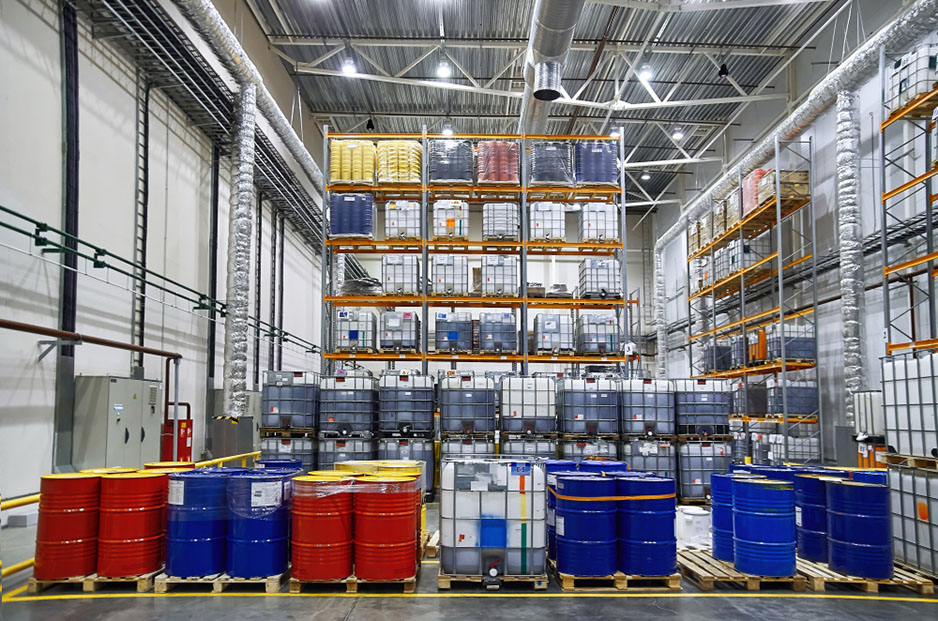
Source: Trick_Shark/Shutterstock.com
Bulk Hazardous Waste Storage
Businesses that handle large amounts of hazardous waste will need to look to bulk storage options instead of lab packs. Lab packs are cost-effective for small quantities of hazardous waste but would be inappropriate for disposing of large amounts.
Bulk storage, transportation, and disposal are subject to bulk-specific regulations. For instance, Plastic Intermediate Bulk Containers (IBCs), like Air Sea Containers’ 275-Gallon Totes for sale, must be resistant to degradation from UV rays and have a volume between 119 gallons and 793 gallons.
Always source your bulk-storage materials from a reputable supplier who complies with industry regulations. Air Sea Containers offer shipping barrels and totes that are tested to meet guidelines under IATA, ICAO, IMO, and DOT CFR-49 protocols.
IBC Qualified Plastic 275-Gallon Totes for SaleGet the Right Packaging Materials for Your Hazmat Needs
Lab packs are a frequently used packaging option for many organizations. They provide cost-effective storage, transportation, and disposal of small amounts of hazardous material. If an organization handles large quantities of hazmat waste, then bulk containment options are more appropriate.
Air Sea Containers provides your business with the best hazmat storage and packaging materials, no matter your hazmat needs.