Source: DarioZg/ Shutterstock.com
Summary:- Hazmat shipping is subject to several stringent regulatory measures.
- Hazmat is categorized according to packing groups, ranging from very dangerous to mildly dangerous.
- Hazmat packaging has to pass the United Nations Specification Packaging oversight process.
- U.N. Specification Packaging assigns unique certification codes designating the packing group suitability.
- Packages are submitted to a range of performance tests.
Hazmat Packing Groups Definitions
Hazmat are required to be packed, handled and shipped according to the guidelines stated by the U.S. Department of Transportation Hazardous Materials Regulations (HMR), and almost always according to United Nations Specification Packaging. Hazmat is categorized under three distinct packing groups. According to Title 49 in the U.S. Code of Federal Regulations (49 CFR), a packing group is the category of the extent of the danger posed by hazardous materials:- Packing Group I designates materials posing great danger.
- Packing Group II designates materials posing medium danger.
- Packing Group III designates materials posing minor danger.
Source: airseacontainers.com
United Nations Specification Packaging Assignments
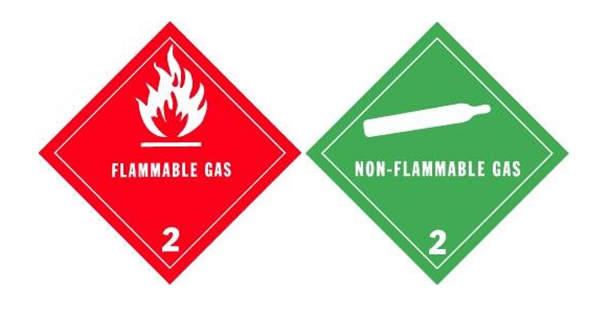
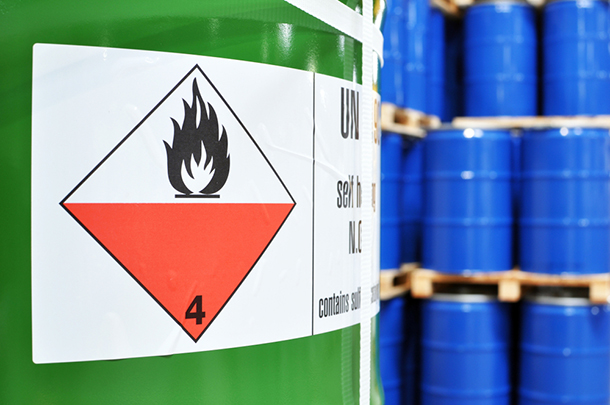
Hazmat is classified according to one or more of nine U.N. hazard classes, such as explosives, gases, flammable liquids or solids, among others, and requires shipment according to United Nations Specification Packaging, also called Performance Oriented Packaging (POP). In addition, all hazmat packaging must be equipped with a hazmat label or placard identifying the contents. This is a crucial feature of transporting hazmat, in which packaging is marked with a code detailing restrictions for the specific package in terms of:- Completed package gross weight
- Packing group suitability
- The material’s specific gravity
- Pressure
- Any other additional specific considerations
- X Rating: Appropriate for packing groups I, II and III, meaning the most rigorous packaging
- Y Rating: Appropriate for packing groups II and III, meaning a medium level of packaging durability
- Z Rating: Appropriate for packing group III only, meaning more flexible packaging is allowed
Source: industryviews/ Shutterstock.com
When a packaging design, such as a shipping barrel, demonstrates that it can pass all the tests required, the packaging is marked with a U.N. Specification Code by U.N.-certified manufacturers. It is then shipped according to U.N. specification packaging. Air Sea Containers offers a broad selection of hazmat shipping barrels and differently shaped and sized drums in compliance with CFR-49, ICAO & IMO regulations. HMR requires every hazmat employee, whether shippers, freight forwarders or contractors, to undergo initial and recurrent hazmat training.