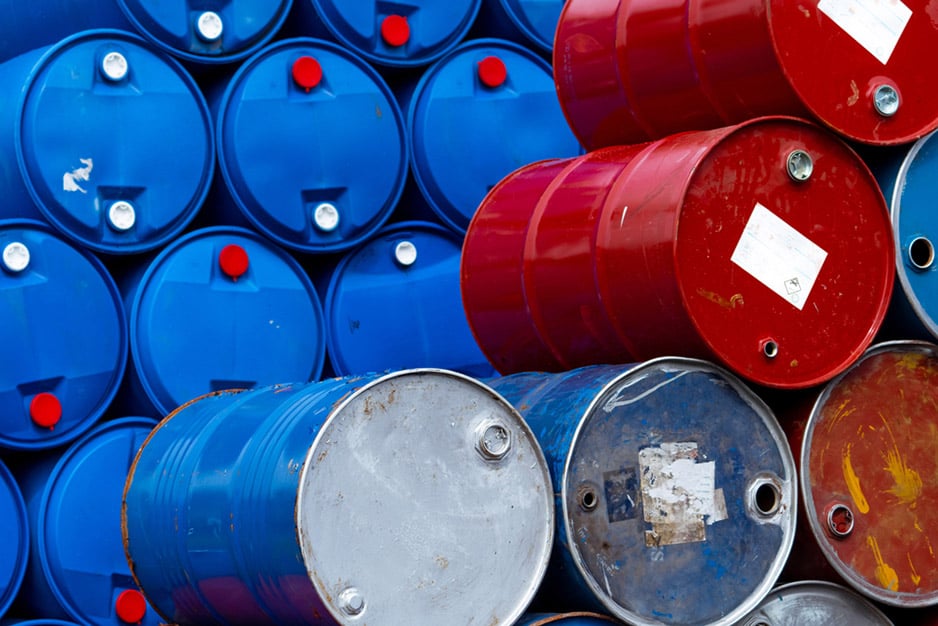
Source: Red Herring/Shutterstock.com
Summary- Hazardous substances are defined as materials that pose a health risk to people and the environment.
- There are specific categories for labeling hazardous substances: toxic, corrosive, irritant, sensitizer, flammable and pressure generator.
- Hazardous materials pose risks not only to people and the environment but also to property during transportation.
What Is a Hazardous Substance?
Hazardous substances are typically defined as materials that pose a significant risk to human health and the environment. The Federal Hazardous Substances Act (FHSA) defines hazardous substances as substances, mixtures of substances or toys that are harmful to people and especially young children. These substances could be toxic, induce an allergic reaction, cause burns or serious injury or be a strong irritant. The Environmental Protection Agency (EPA) regulates hazardous substances under these various tables: 40 CFR 116.4 and 40 CFR 302.4 because certain elements and compounds can also be harmful to the environment. Due to their regulation by separate agencies, these substances fall outside the FHSA’s jurisdiction. They include:- Pesticides
- Cosmetics
- Fuels that are stored in containers and used for heating, cooking or refrigeration
Source: Nattawit Khomsanit/Shutterstock.com
FHSA Hazard Specifications for Hazardous Substances
The FHSA has clearly defined hazards for products that are labeled hazardous substances. Listed below are the definitions according to the FHSA.-
Toxic
-
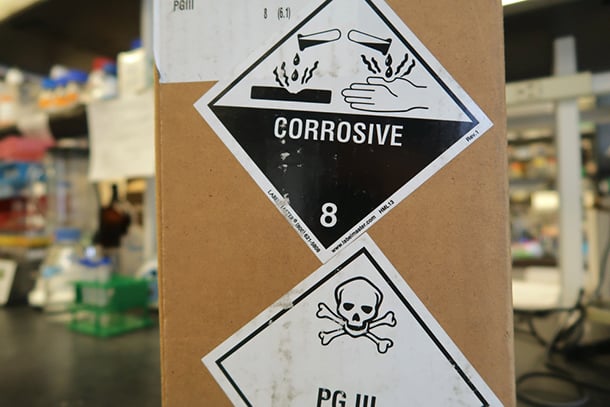
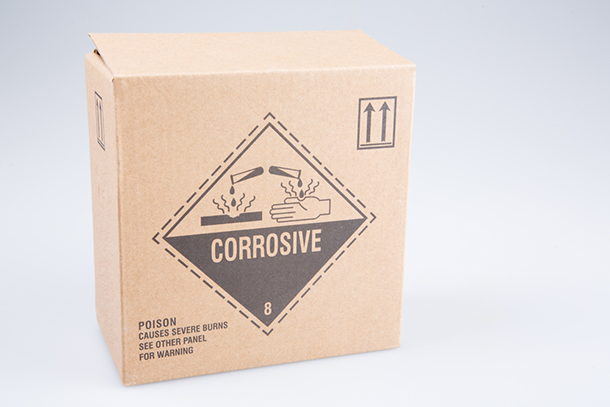
Corrosive
-
Irritant
-
Sensitizer
-
Flammable
-
Pressure Generator
Source: sylv1rob1/Shutterstock.com
Hazardous Substance vs. Hazardous Materials
Hazardous substances and hazardous materials sound similar, but there are key differences regarding the risks each poses to people, the environment and property. Government agencies define them in specific ways that affect their labeling and transportation across borders. Browse Hazmat Boxes at Air Sea Containers-
Hazardous Substance
-
Hazardous Material