
What Is Vermiculite?
- By Cory Levins
- 22 abr 2022

Source: vandycan/Shutterstock.com
Summary:
- Vermiculite is a mineral in the Clay classification group which means it has small crystal structures that absorb water easily.
- It is used for Hazmat shipping because it is highly absorbent and fire-resistant. It is also light, keeping shipping costs low.
- It can cause slight skin irritation and respiratory irritation if proper handling procedures are not followed.
Vermiculite is a mineral found throughout the world used in packaging, housing, gardening and as a heat-resistant additive in concrete. It has many applications because it is fireproof, highly absorbent, an effective insulator and lightweight.
Vermiculite is the ideal package filler because it does not add much to package weight or cost. It protects delicate items from jostling and absorbs leaks well, which is necessary for hazardous item shipping.
How Vermiculite Is Made
What is vermiculite, and how is it made? Vermiculite is a member of the clay mineral classification group. As is characteristic of clays, vermiculite consists of small crystals that hold water between them.
After being mined and separated from other natural materials, vermiculite is exfoliated. This is a process where rapid heat exposure causes vermiculite to quickly expand to about 2,000 to 3,000 percent of its original volume. The heat vaporizes the water inside the vermiculite, which creates steam. The crystals unfold to let the steam out, which is why the vermiculite expands.
After exfoliation and expansion, vermiculite is processed into its loose-form or sheet commercial product. Loose-form vermiculite is used for packaging and comes in multiple grades, categorized by weight and coarseness.
Get High-Grade Vermiculite Here
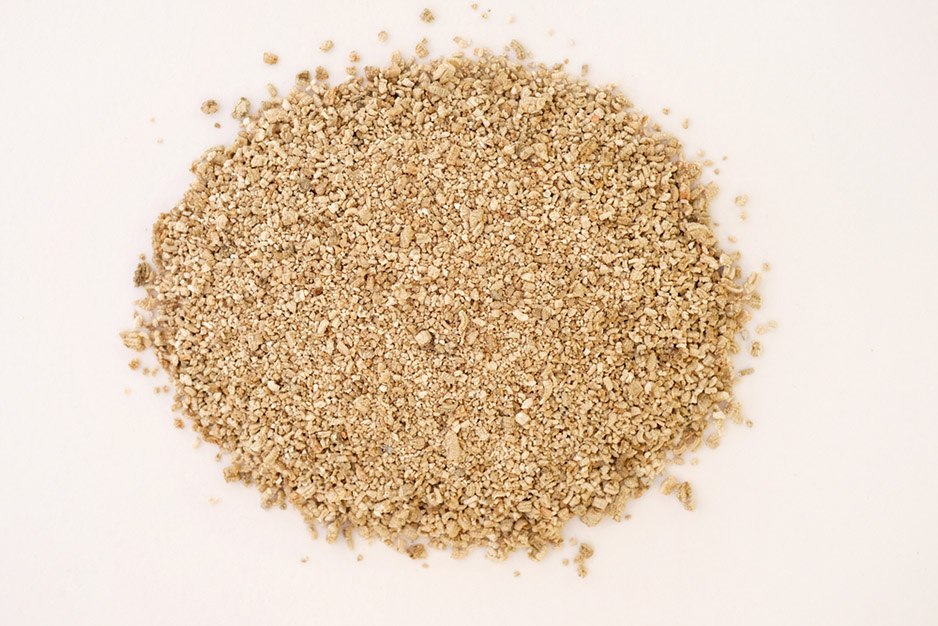
Fine vermiculite
Fine vermiculite is primarily used in gardening contexts. It improves soil nutrient and water holding ability. Larger grades would initially add drainage capabilities, but over time, this subsides as the soil compresses larger vermiculite into a size comparable to fine vermiculite.
Fine vermiculite is too small to adequately protect items in a package or provide enough absorbency than its larger variants.
Coarse vermiculite
Coarse vermiculite is larger than fine vermiculite and is used as a shipping filler. It is easy to pour and great for filling spaces in a package with an irregularly shaped item.
The main difference between coarse and extra-coarse is the mixture's size and amount of dust. Coarse is slightly smaller and has more dust in the filler, which is not ideal for maximum absorbency and item protection.
Extra-coarse vermiculite
Extra-coarse vermiculite is the best packaging filler vermiculite available. It is also called 4A, and coarse vermiculite is called 3A. Dust takes up space and does not provide cushioning or absorbancy like large pieces of vermiculite do. Since extra-coarse vermiculite has no dust, it is the best packaging filler.
Source: Anakumka/Shutterstock.com
Shipping Hazardous Materials with Vermiculite
Shipping hazardous materials is complex because there are many rules and regulations about acceptable packaging. While different hazardous materials require different packaging and filler, there are some general standards that a package and filler must meet. For instance, packaging and filler must not pose a threat of chemical or galvanic reaction when in contact with the hazardous material.
Vermiculite is not chemically or galvanically reactive with most hazardous materials, except for hydrofluoric acid. Toxic trifluoride gas is created when vermiculite mixes with hydrofluoric acid. This is why lithium-ion batteries cannot be shipped in vermiculite. When lithium-ion batteries leak battery acid and mix with air or water, they create hydrofluoric acid.
Further requirements for shipping hazardous materials include the necessity of packaging and filler to contain liquids and avoid combustion. Vermiculite is extremely fire-resistant, so it meets regulations for avoiding combustion hazards. It is exceptionally absorbent, making it great for shipping liquids that must be contained within a box.
Vermiculite can act as filler in a Gaylord box containing multiple hazardous liquid containers. It provides protection between the containers and the absorbency necessary to ensure no liquid could break containment.
Browse Bulk Gaylord Boxes Here
Handling Vermiculite
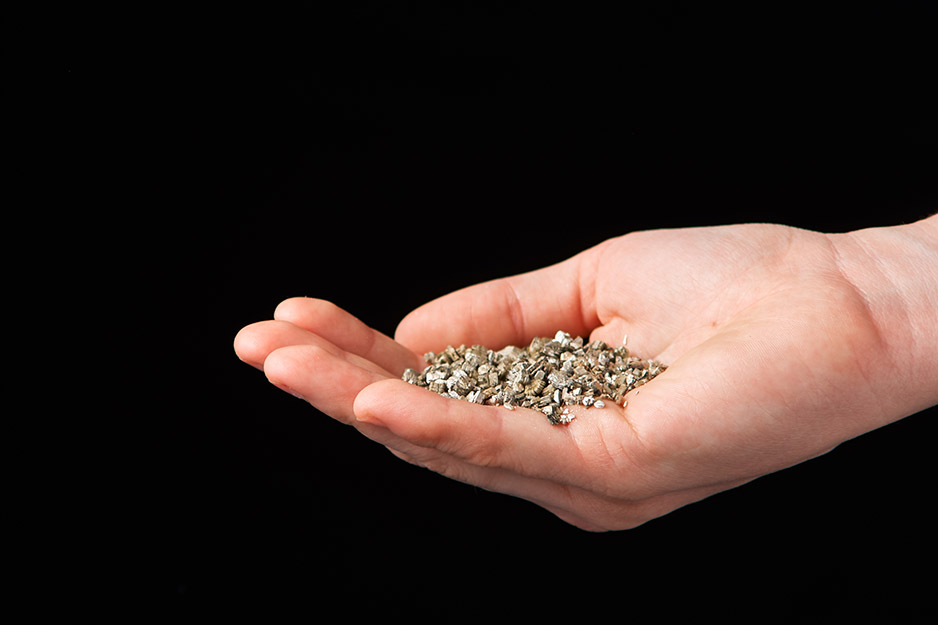
Vermiculite is safe to handle, but frequent contact can result in skin irritation. To avoid this, wear gloves, eye protection, shoe covers and coveralls if you are going to handle vermiculite frequently.
Source: Boliukh Oleksandr/Shutterstock.com
Long-term inhalation can cause lung disease, and in the short-term, it is known to aggravate pre-existing respiratory conditions. An OSHA-approved respirator is ideal for frequent handling or if you have known pre-existing conditions.
If vermiculite has caused you problems in the past, it may be better to use a different filler material in your shipping. Packing peanuts provide comparable protection for shipping items but may not meet hazardous material packing regulations.
Use Vermiculite for Your Hazardous Shipping
The advantages of vermiculite make it perfect for filling material in most hazardous shipping scenarios. It is fire-resistant, highly absorbent and pours easily around irregularly shaped items. Contact Air Sea Containers for more information about hazardous material shipping and filling materials today.


