Supply Chain 101: Types of Supply Chains
- By Cory Levins
- 6 may 2021

Source: Zapp2Photo / Shutterstock.com
Key Takeaways:- Different supply chain structures and conditions are designed for various purposes.
- Commodity manufacturing has different demands from fast fashion manufacturing that has dramatic shifts in seasonal needs.
- Artificial intelligence has made it easier for all types of supply chains to meet manufacturer needs, but there are still some basic rules for choosing a type of supply chain.
Continuous Flow Model
For businesses that consistently sell the same products with little variation, the continuous flow model is the best option. Typically, this model has the business contracting with the same manufacturers on an ongoing basis. They will have a standing contract for a set number of units each month. This means that it’s best for commodities that people use on an everyday basis. If there are seasonal fluctuations in demand, standing contracts can contain minor adjustments, but there is little room for error. However, this is generally the least analytically demanding model for businesses to use.Efficient Chain Model
Efficient chains prioritize eliminating waste to maximize profit. In some industries, the razor-thin profit margins and high level of competition make this model an absolute necessity. All suppliers and steps in this model need to have high efficiency to have a meaningful impact on a company’s bottom line. Like the continuous flow model, the efficient chain model ends up with potential excess supply or shortages. Changing the supply line and production process to change the quantity produced may end up interfering with the efficiency that had been achieved. Even if supply and demand are stable, companies must continuously monitor the supply chain for potential sources of waste and loss. Learn More About “What Ss Supply Chain Management?”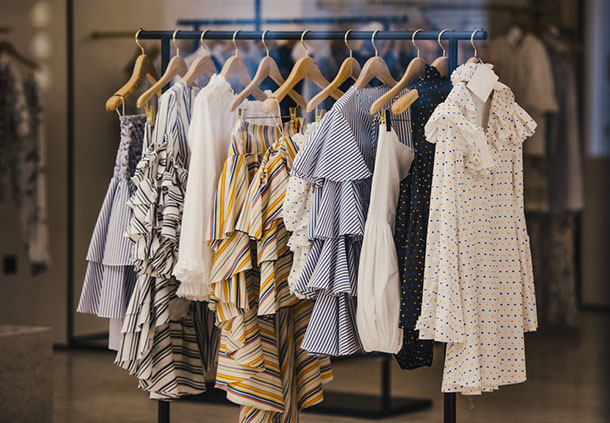
Source: Creative Lab / Shutterstock.com
Fast Chain Model
As its name implies, the fast chain model prioritizes speed. The company sourcing the goods has a short timeframe to work within and is willing to pay extra for their goods to arrive without delay. This is most common for on-trend goods that won’t be in demand after a few months. Companies must be fully prepared to ship out finished items as soon as they are ready, keeping essentials like cardboard shipping boxes in a variety of sizes on hand.Agile Model
The agile model is for specialized goods that may need to change at the last minute to accommodate customer needs. Agile models are tricky to accomplish because they require the company to do as much of the production work in advance as possible, and then hurry to finish production just in time to meet demand. Agile models need to be able to adjust quickly to market trends as well as individual customer demands. This model requires a keen eye for market changes and highly trained staff members who have the technical knowledge necessary to change the manufacturing and sourcing process if needed. Source Cardboard Shipping Boxes to Keep Up with Any Supply Chain ModelCustom Configured Model
Similar to the agile model, the custom configured model requires companies to do as much prep work and production in advance as possible. The difference here is that the custom configured model has a set number of options customers can choose from, whereas the agile model responds to a larger number of variables from customers.Flexible Model
Flexible models allow a business to ramp up production for intense spurts to meet demand, and then decrease production again when demand drops. This requires careful management of both finances and the supply chain itself. Sourcing raw goods in this way can be a challenge, but it’s possible with the right team of providers.
Source: Gorodenkoff / Shutterstock.com