
5 Tips to Keep in Mind When Using Packing Peanuts and Other Loose Fill Packaging
- By Cory Levins
- 15 mar 2019

Loose fill packaging, such as packing peanuts, has long been a staple element of cargo shipping worldwide. Digging through a mound of Styrofoam peanuts after opening a box is a classic mental image—but does it represent the prevailing practices in the contemporary shipping industry?
Although other void fill packaging options for shipping are now widely used, loose fill is still a cost-effective option with many useful qualities. Air Sea Containers offers several loose fill packaging solutions, from traditional packing peanuts to absorbent minerals and beyond. If you’re considering these economical and effective packing solutions, here are five things you should know.
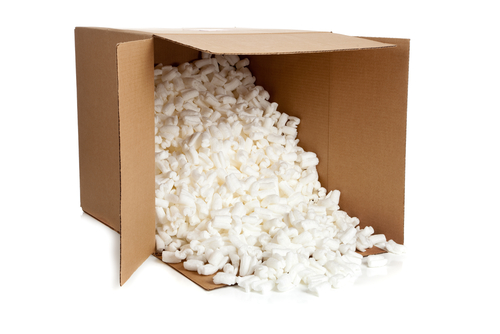
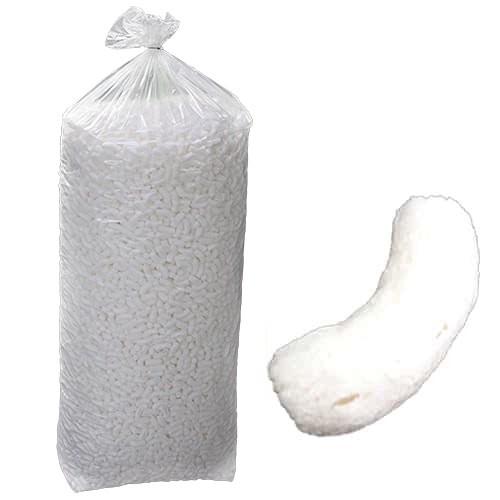
1. Loose fill packaging offers several key advantages.
Loose fill packaging is still a common packaging option due to several properties that make it good at protecting your cargo:- Extremely light but still highly protective against impacts
- Easy to use with automatic filling systems
- Many forms have a near-unlimited storage life
- Economical and widely available in bulk
- Insulating qualities of some forms can help protect goods against extreme temperatures
2. If you’re shipping hazardous goods, make sure the materials comply.
Safety is paramount when shipping hazmat goods, and the most important step to safety is to know and follow relevant hazmat shipping regulations. Not all forms of loose fill packaging may be approved for use with the type of hazmat goods you’re shipping or certain types may be recommended. If you’re unsure about general safety standards for the hazmat goods you’re shipping, take a look at the DOT’s hazmat tables. Vermiculite is one type of loose fill packaging that’s useful in shipping both hazmat and non-hazmat materials, thanks to its cushioning and moisture-absorbent properties. Air Sea also offers complete 4GV-compliant shipping kits for certain hazmat types, such as lithium batteries, that include preferred loose-fill materials in pre-measured quantities. One important part of compliance, no matter what shipping method you’re using, is using UN-compliant hazmat labels on all hazmat goods. Air Sea has a complete selection of hazmat placards available in tough peel-and-stick vinyl that resists fading. These labels will help keep handlers informed of hazmat risks at every stage of your cargo’s journey.3. You may need to supplement with other materials.
Whether or not you’re shipping hazmat goods, you should be aware of other shipping materials that you can deploy alongside loose fill packaging, including:- Reusable non-toxic gel packs to ensure that goods stay at the proper temperature
- Heavy-duty shipping tape to keep packages tightly sealed
- Shrink wrap and bubble wrap to keep goods immobilized and provide additional protection
- Corrugated overpack boxes that provide an extra layer of protection and can make your goods easier to handle
- Individual polyethylene bags to keep goods separated
4. Be aware of static electricity hazards that can damage electronics.
One known issue with packing peanuts is their static shock hazard. The movement of the polystyrene peanuts against each other can create a significant static charge, and this can damage sensitive electronics if the fill material discharges into the electronic device. For this reason, many large carriers, such as UPS, recommend that polystyrene peanuts not be used to ship electronics. Air Sea offers anti-static loose fill options such as our sealed-air peanuts, but, if you’re shipping electronics, you may want to consider other options than packing peanuts.
Air/Sea Biodegradable Sealed Air Peanuts
5. Consider eco-friendly fill material options.
Loose fill packaging has a reputation for being less sustainable than some other methods, and it’s true that sustainability isn’t a strong point of polystyrene. With so many eco-friendly packaging options now available, it pays to consider all of your options. Air Sea Containers offers several packaging options with improved eco-friendly features, including:- Biodegradable sealed-air peanuts that are price-competitive with polystyrene peanuts and offer comparable performance
- Recyclable and reusable dunnage air bags to keep your goods’ outer packaging in place during transit
- Biodegradable air pillows that offer the lightweight and cost-effective qualities of loose fill but in a greener package


